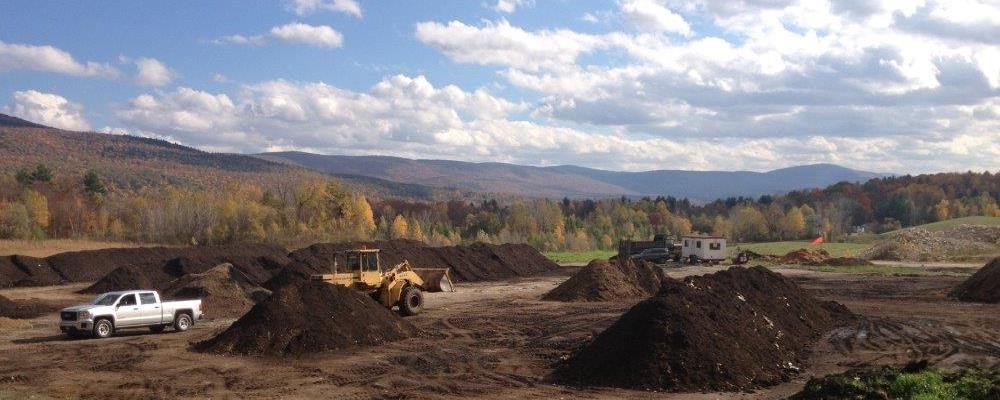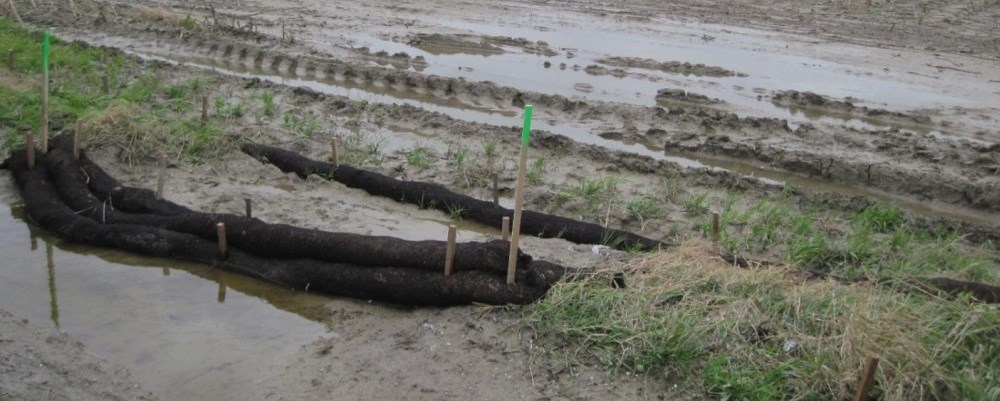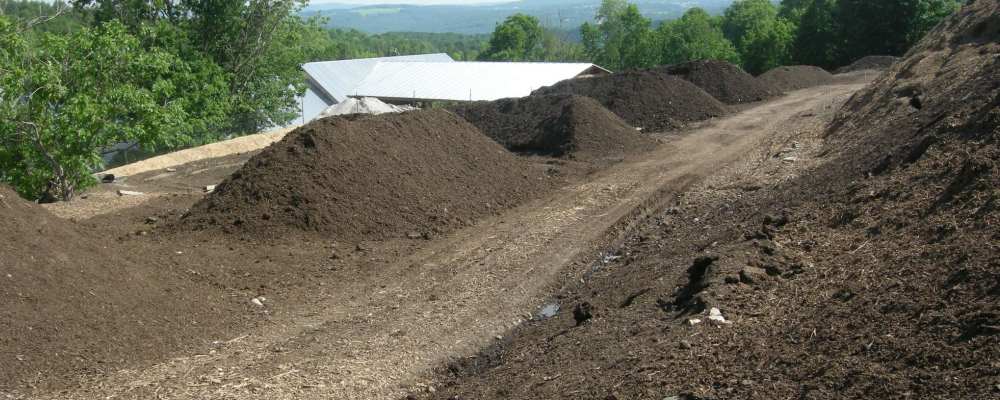

Increasing the use of compost in our communities will improve soil health, water quality and our resilience to extreme weather events
Our mission is to advance the production and use of compost to support soil health through practices that contribute to water quality, plant vigor, and environmental resilience.
We demonstrate the value of compost through education, policy, outreach, and partnerships to reduce waste, capture energy, and create jobs.
Healthy Soil & Clean Water
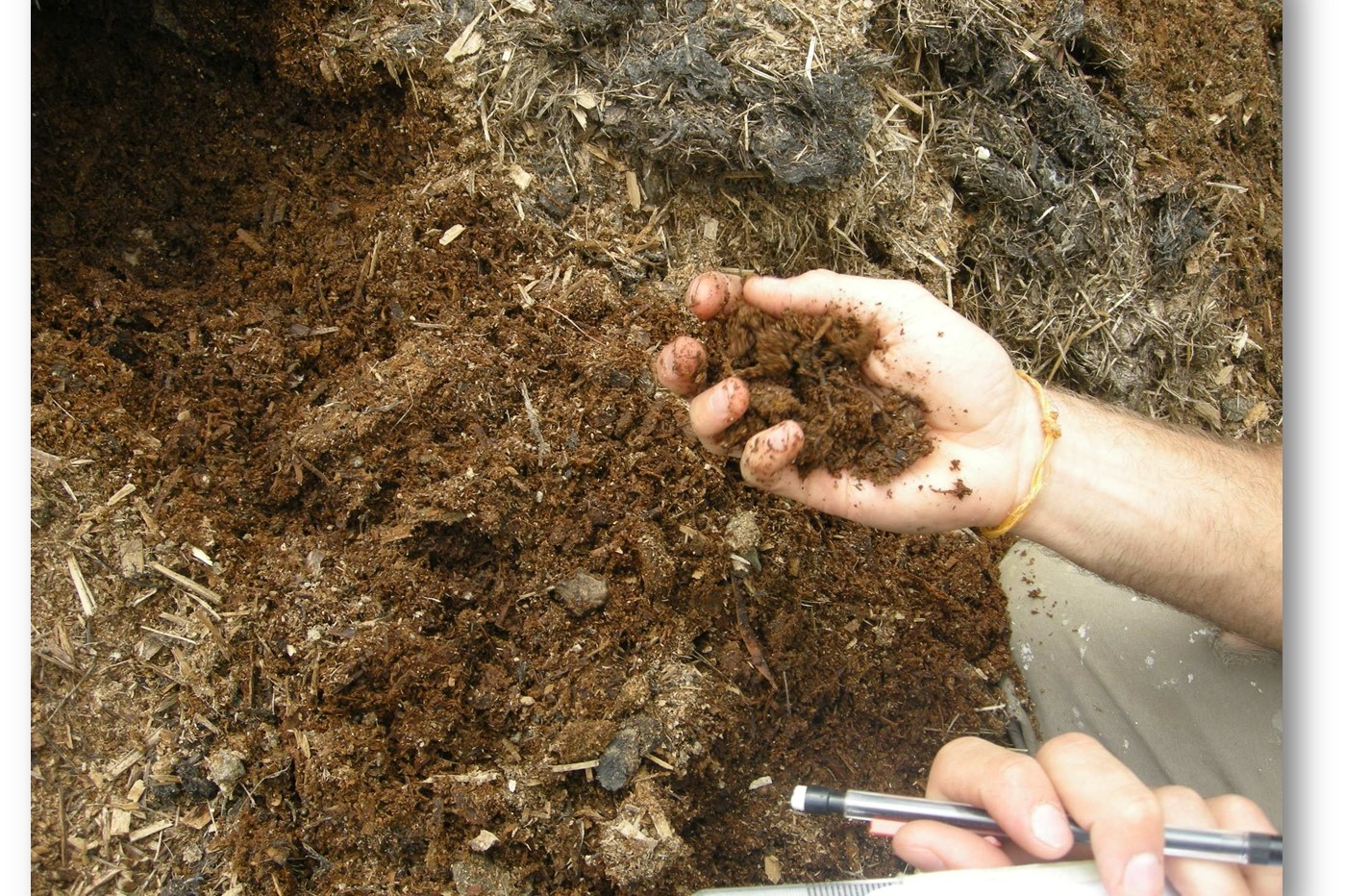
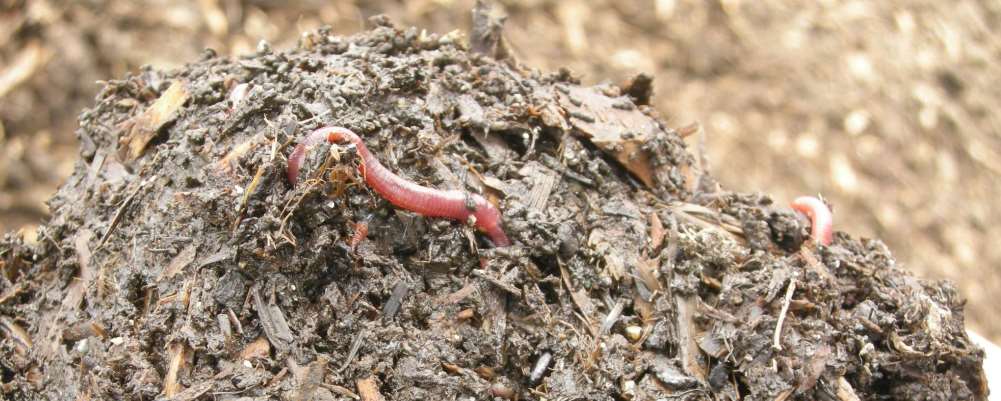
A healthy soil food web has many benefits for gardeners, farmers and turf growers. Healthy soil recycles and uses nutrients more effectively; retains more moisture and acts as a filter for environmental toxins.
Soil Policy Paper
CAV released a white paper, Soil Policy - Drivers & Action, laying out a vision for a state-wide policy to promote healthy soils. The interplay between soil and water has never been more important: we have abused the former and are at the mercy of the latter with unprecedented uncertainty…
Community Composting

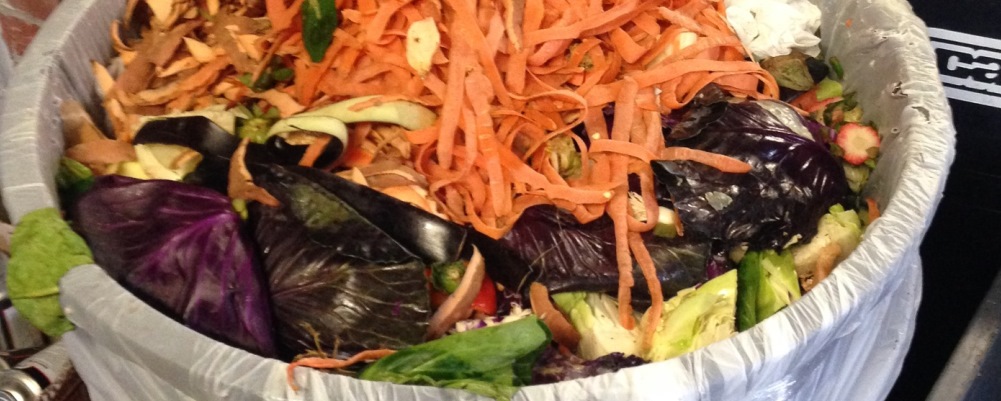
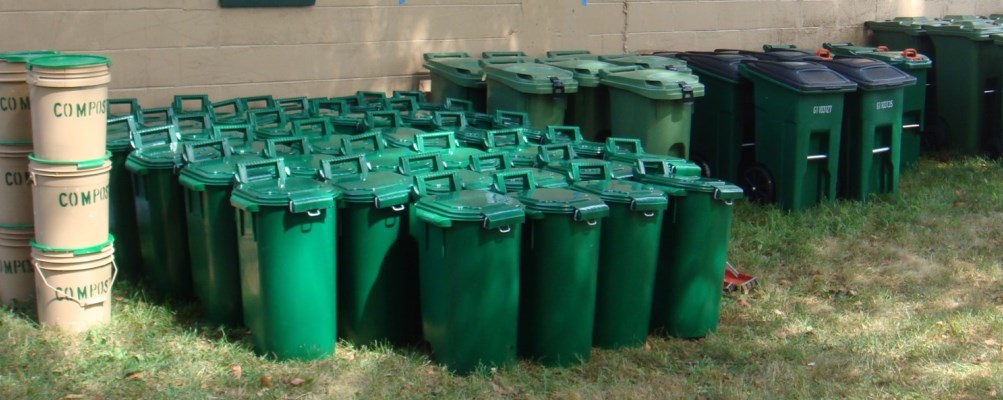
Community composting presents scalable food diversion options for managing food scraps/organics within a community. The strategy builds community resilience and lets residents put sustainability into practice on a local level, by diverting food scraps from landfills and providing training in food waste composting.