


Vermont Organics Recycling Summit
20th Annual Vermont Organics Recycling Summit: Compost! Feed the Soil that Feeds Us
The 20th Summit was held on March 25th at the Montpelier Performing Arts Hub, followed by workshops and tours around the state on March 26th.
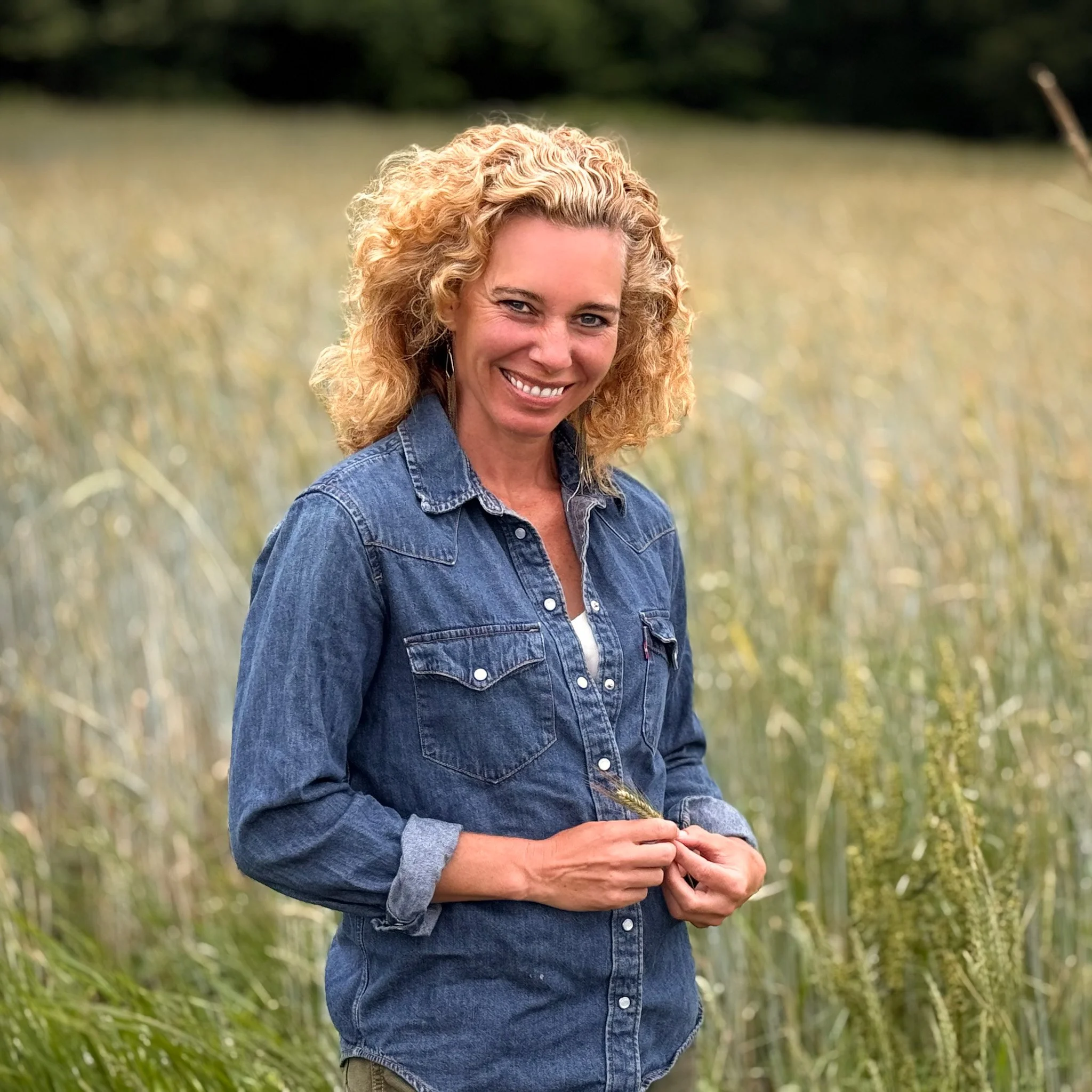
Jayne Merner has a lifelong passion for enlivening the world's soils. She grew up among the fertile windrows of compost at her family’s Earth Care Farm in Charlestown, Rhode Island. Founded in 1977 by her father, Michael Merner, Earth Care Farm is now operated by Jayne with the help of three generations of Merners and a small, dedicated staff.
The farm raises produce using regenerative practices and is best known for its large-scale, high-quality Merner’s Gold Compost. In addition to her work on the farm, Jayne hosts The Composter podcast and has traveled around the world teaching composting, helping to establish composting facilities, and sharing her deep love of the natural world.
Meet our 2026 Keynote Speaker: Jayne Merner
VORS 2026 Program
Wednesday, March 25


Thursday, March 26
Day 2 offered FREE tours & workshops around the state.
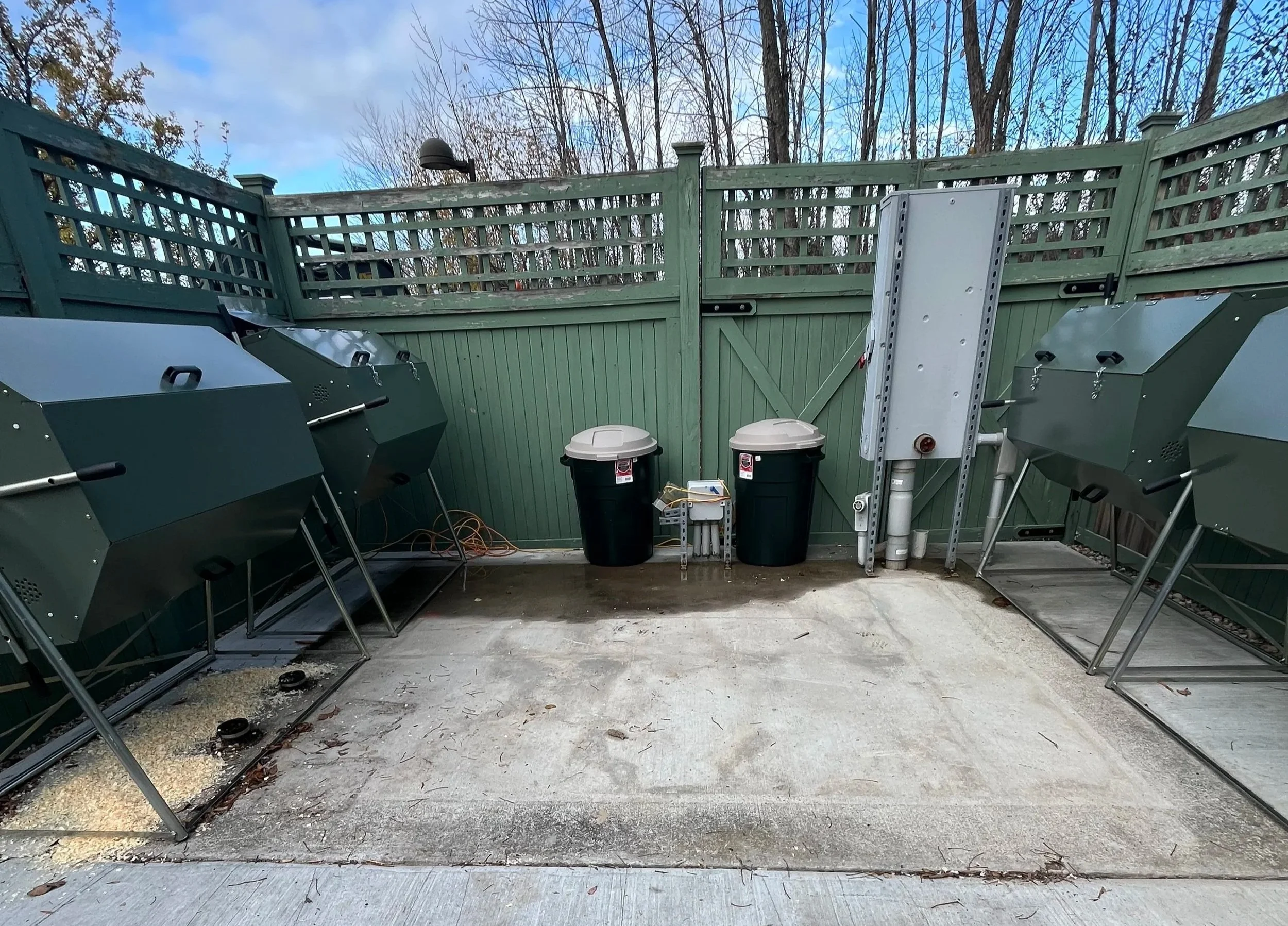
On-site composting at Project Independence (Middlebury)
Project Independence is a nationally recognized adult day center providing a closely supervised daytime home away from home for elderly adults whose independence has lessened due to chronic illness, disability, or very advanced age. A great source of joy and comfort for their participants is the delicious, 825 high-quality home-cooked meals their talented kitchen produces weekly. Nothing goes to waste at their facility, as 50 gallons of pre- and post-consumer food waste are given to local farmers and turned into nutrient-rich compost for their therapeutic gardens.
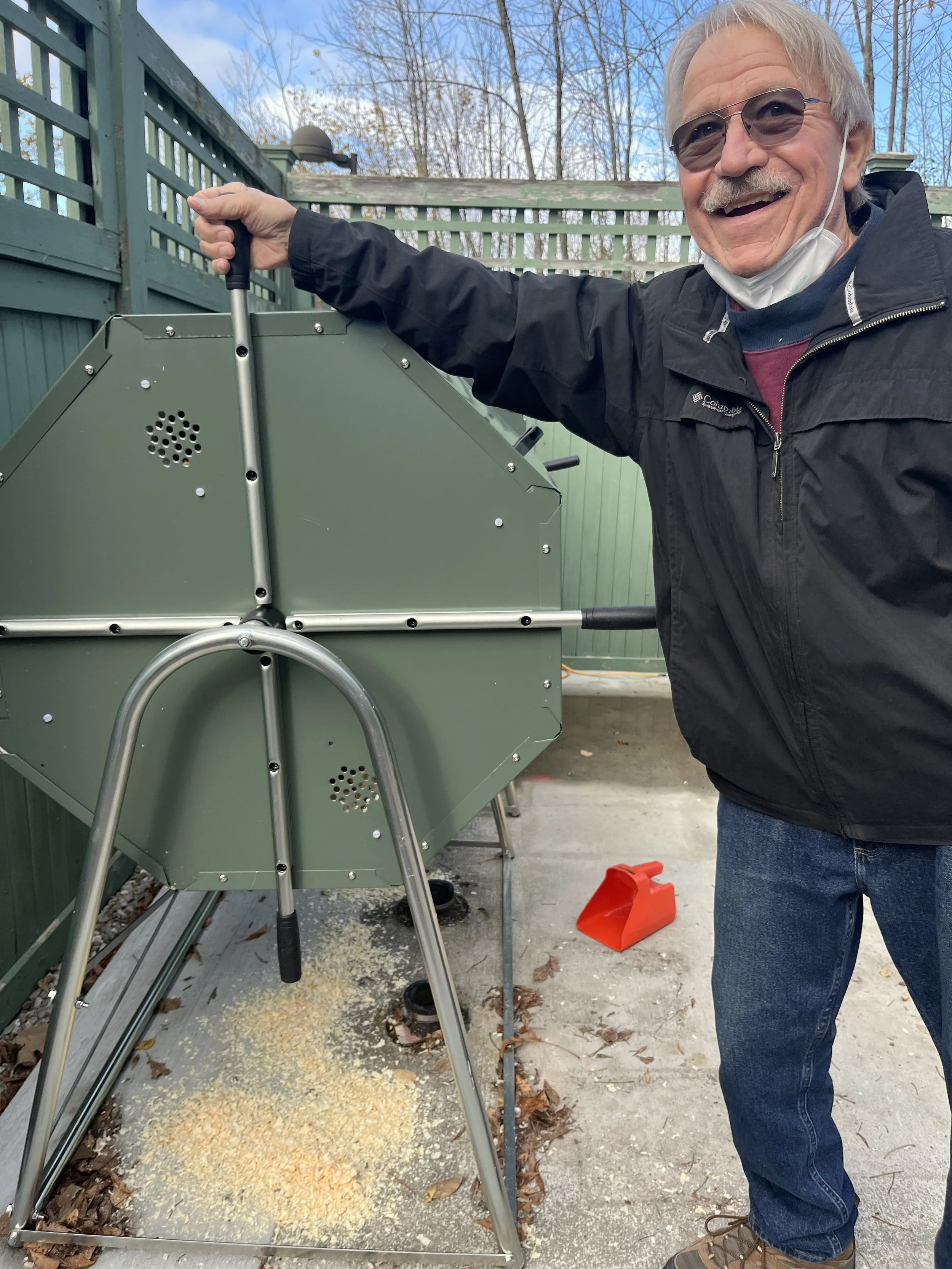
With help from the Composting Association of Vermont, Project Independence purchased four Jora JK 400 as an affordable on-site composting system solution that yields outputs similar to expensive industrial-level composters. The Jora breaks down all kitchen scraps, including meat, and reaches temperatures upwards of 175 degrees. Once the compost cools back down from reaching the temperature in the Jora tumblers, the compost is put into newly built resting bins.
This site is a great option for those looking to implement composing on a commercial scale on a budget.
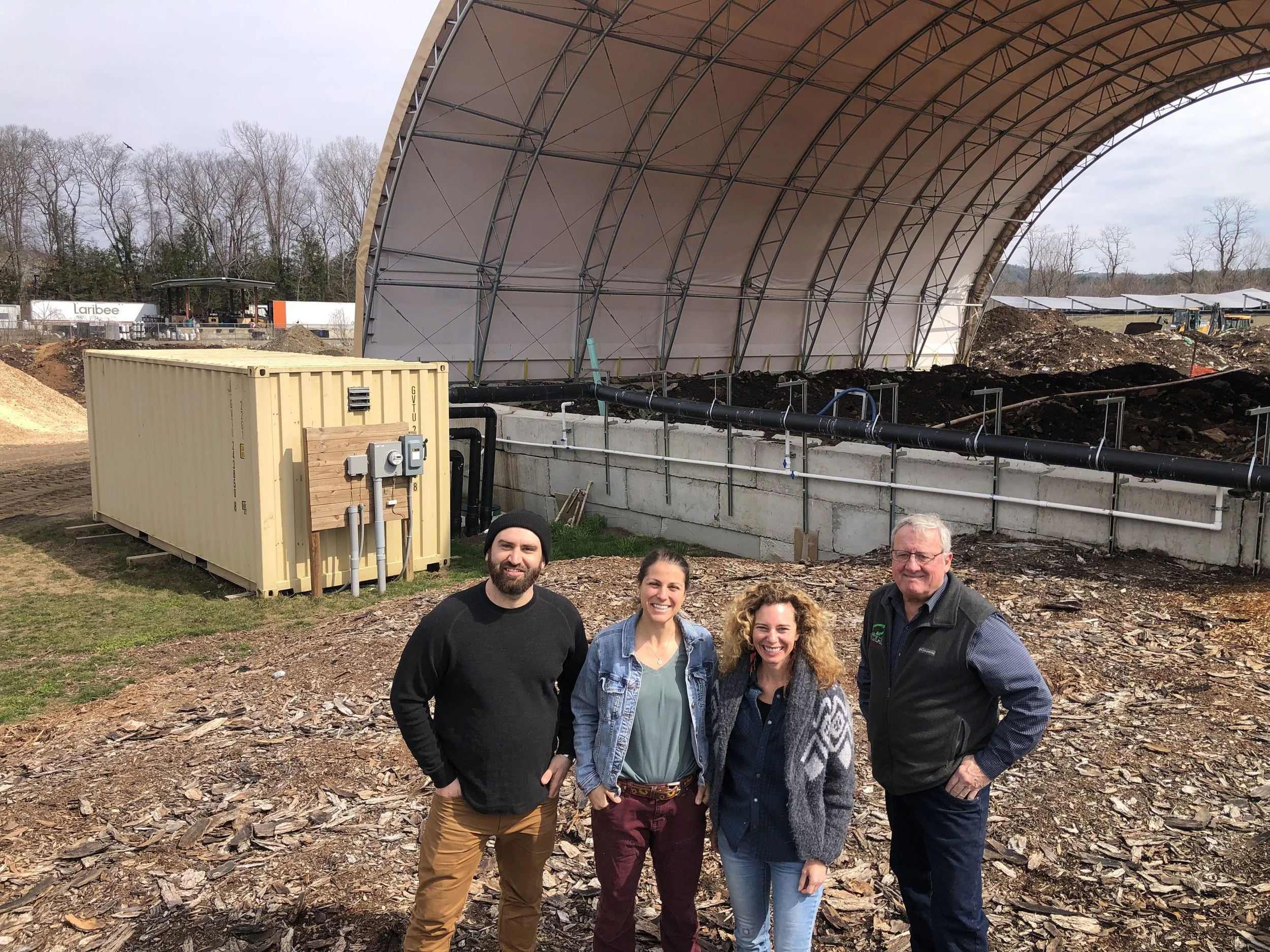
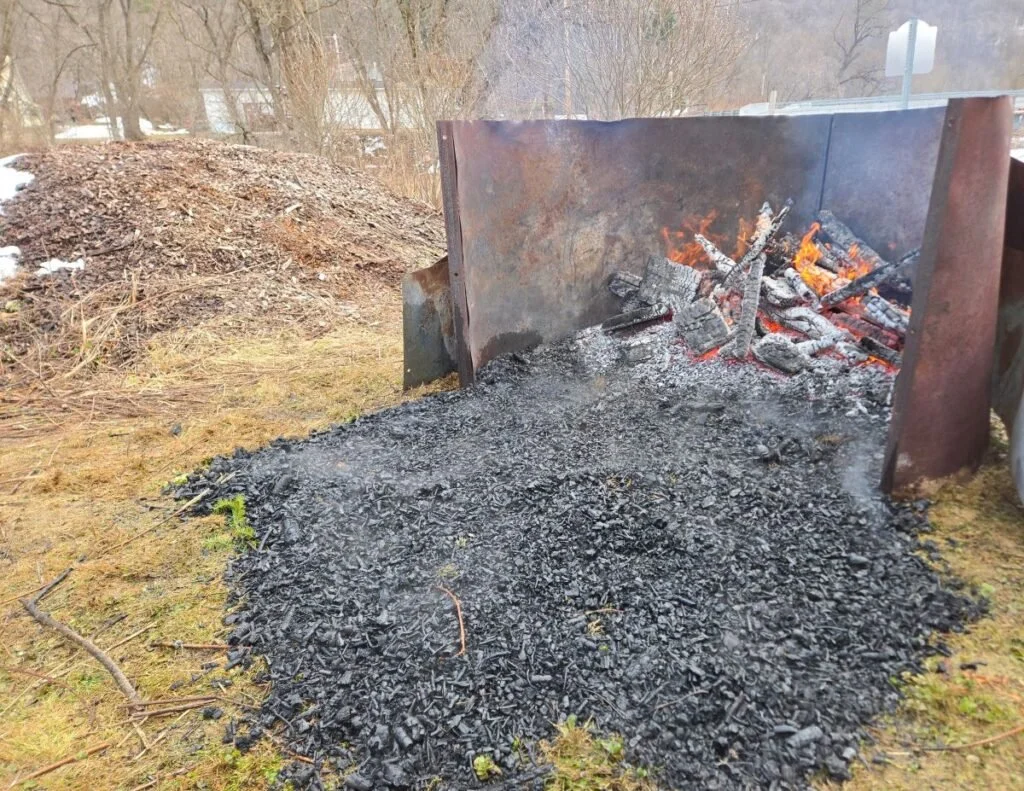
Demonstration of flame top kiln & use of biochar in biodegradable socks (Montpelier)
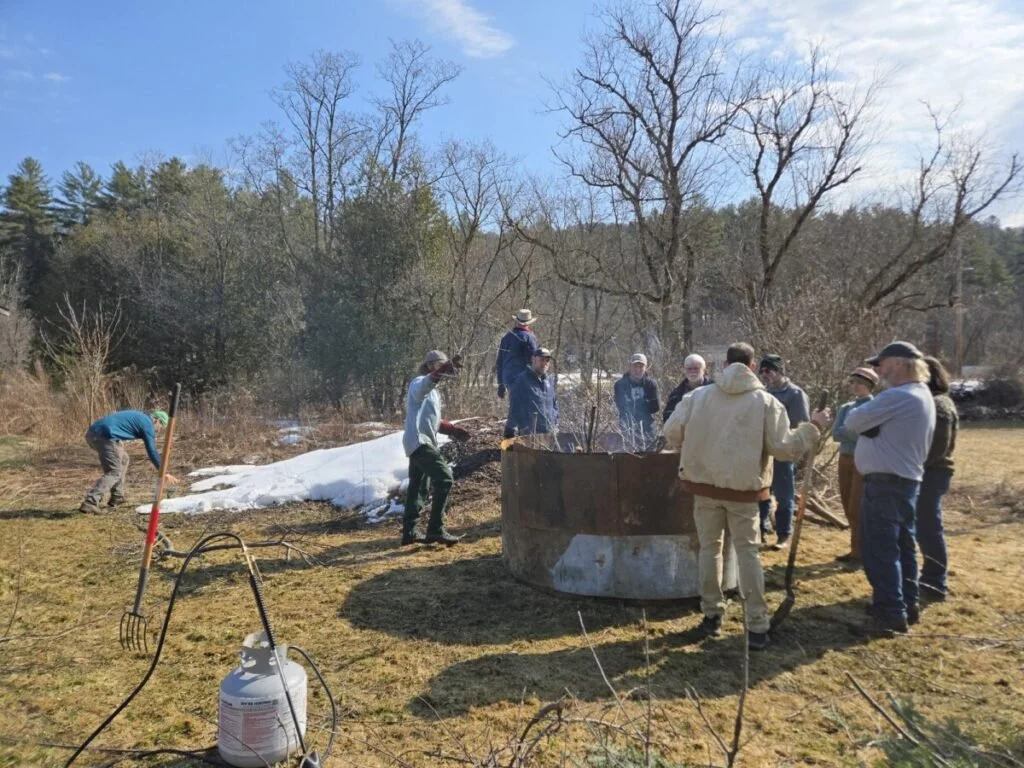
The Biochar Coalition and Carriff Engineered Fabrics teamed up to bring hands-on, field-based biochar education directly to working landscapes—no classroom lecture, no equipment sales pitch. In this outdoor, demonstration-based training, participants learned how to safely convert excess woody biomass into high-quality biochar using flame-cap kiln methods, turning these materials into a stable carbon resource that improves soil health, water retention, and nutrient cycling. Grounded in Vermont’s landscape, climate resilience needs, and strong culture of land stewardship, the workshop also demonstrate filling biodegradable compost filter socks with biochar-enriched media and explore real-world applications for stormwater filtration, equipping landowners, fire practitioners, crews, and community members with practical skills to turn local biomass into long-term ecological and soil health assets.
The Garden at 485 Elm hosted this workshop and provided a great write-up with photos and videos!
Questions? Contact us!
Phone: 802.373.6499
Special thanks to
Thanks to CAV Regenerators
Thanks to VORS Sustaining Sponsors
Thanks to VORS Exhibiting Sponsors

Thanks to our Wednesday Food Sponsors
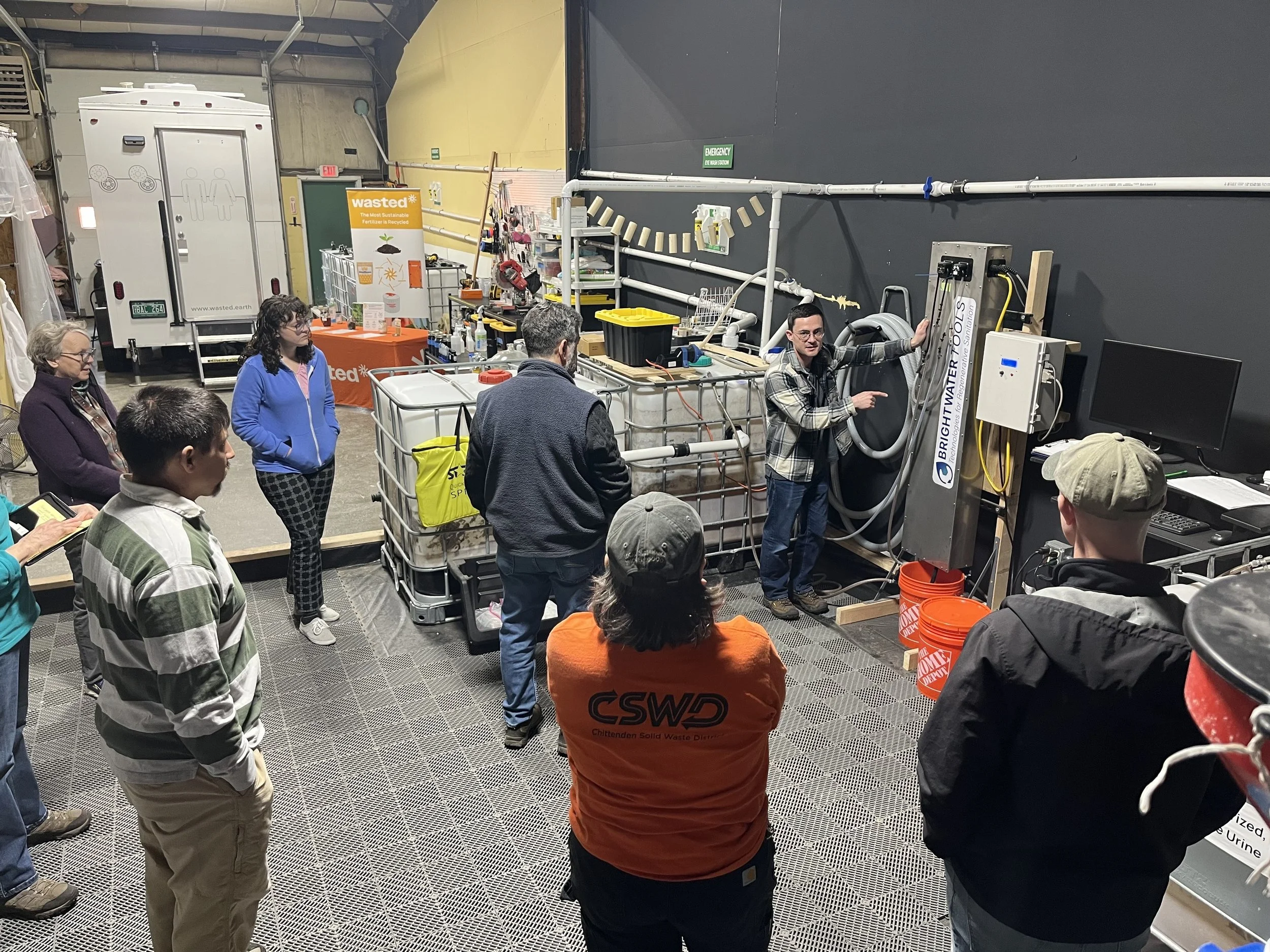
Closing the Loop: A Tour of Wasted’s Circular Sanitation System (Williston)
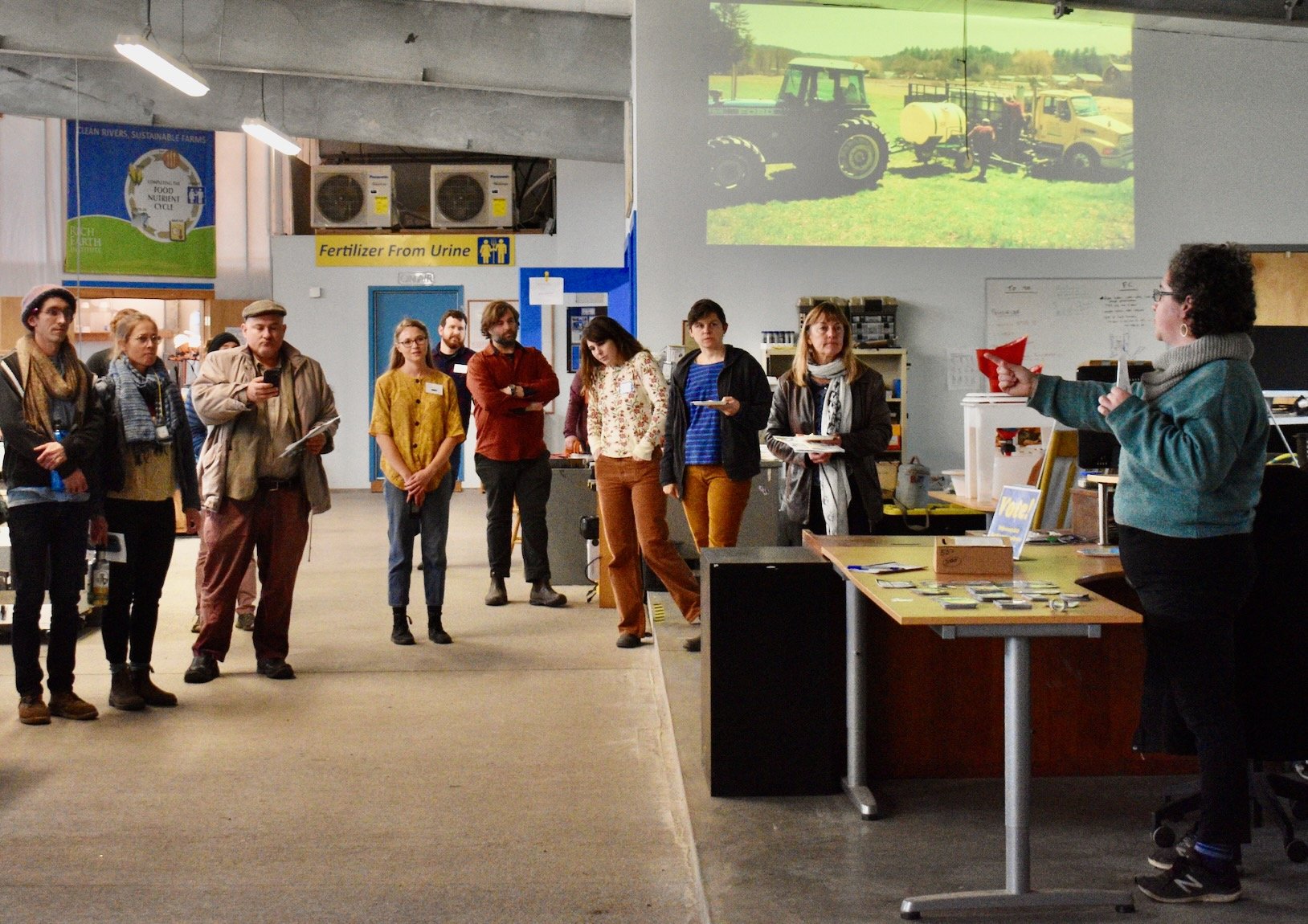
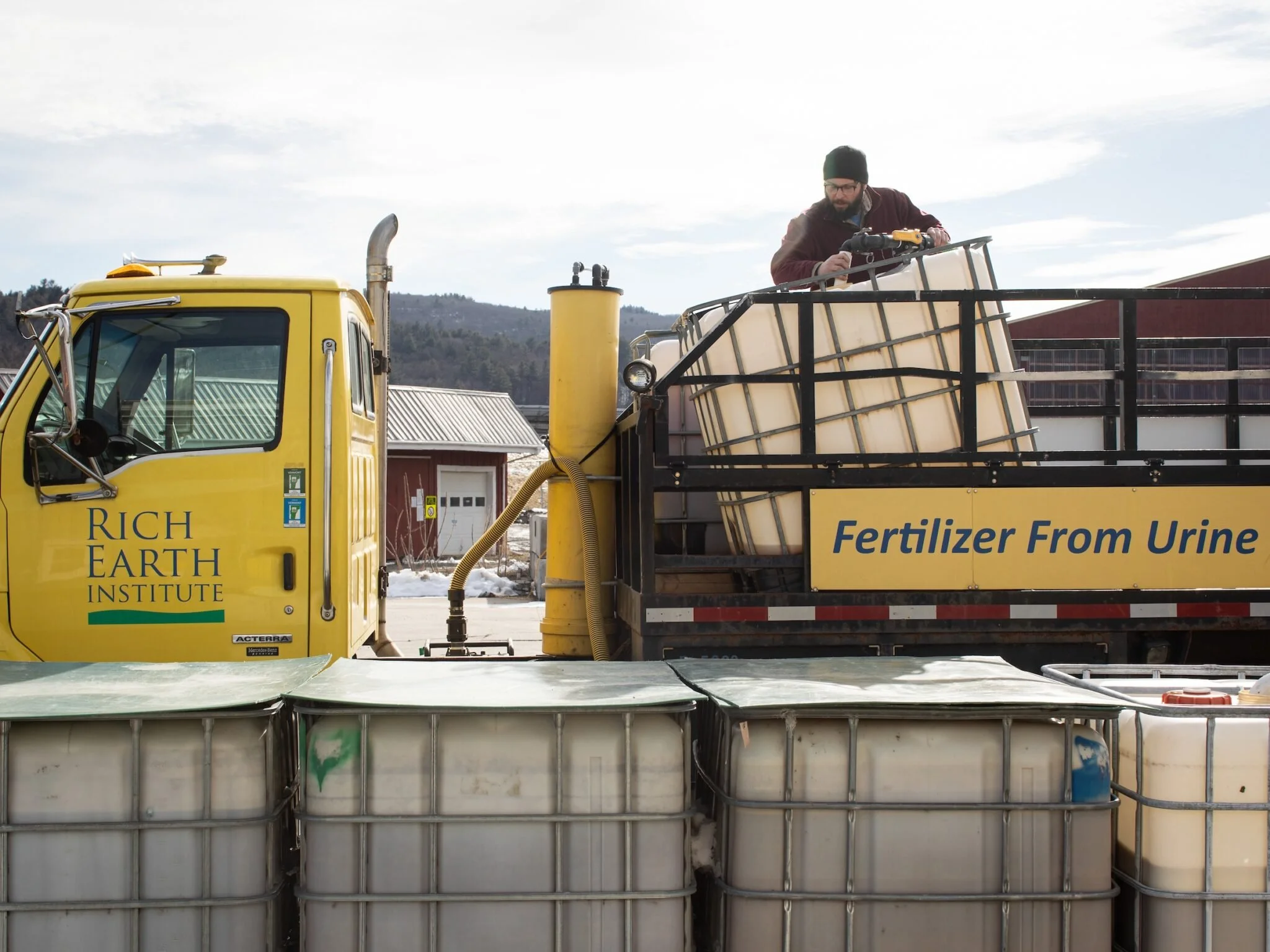
Did you know one person’s urine contains enough nutrients to grow the grain for a loaf of bread every day? This guided tour of Wasted’s urine-to-fertilizer facility introduced visitors to Wasted’s vision of catalyzing circular sanitation and changing the way people think about waste. Participants learned how urine collected from portable and permanent toilets is transformed into licensed, safe, and effective fertilizers. The tour walked through key steps of the process, including urine collection from our proprietary toilets, heat treatment in our pasteurizer, and phosphorus extraction in our struvite reactor. Along the way, they explained how recovering urine’s nutrients protects waterways and reduces reliance on unsustainable fertilizers.
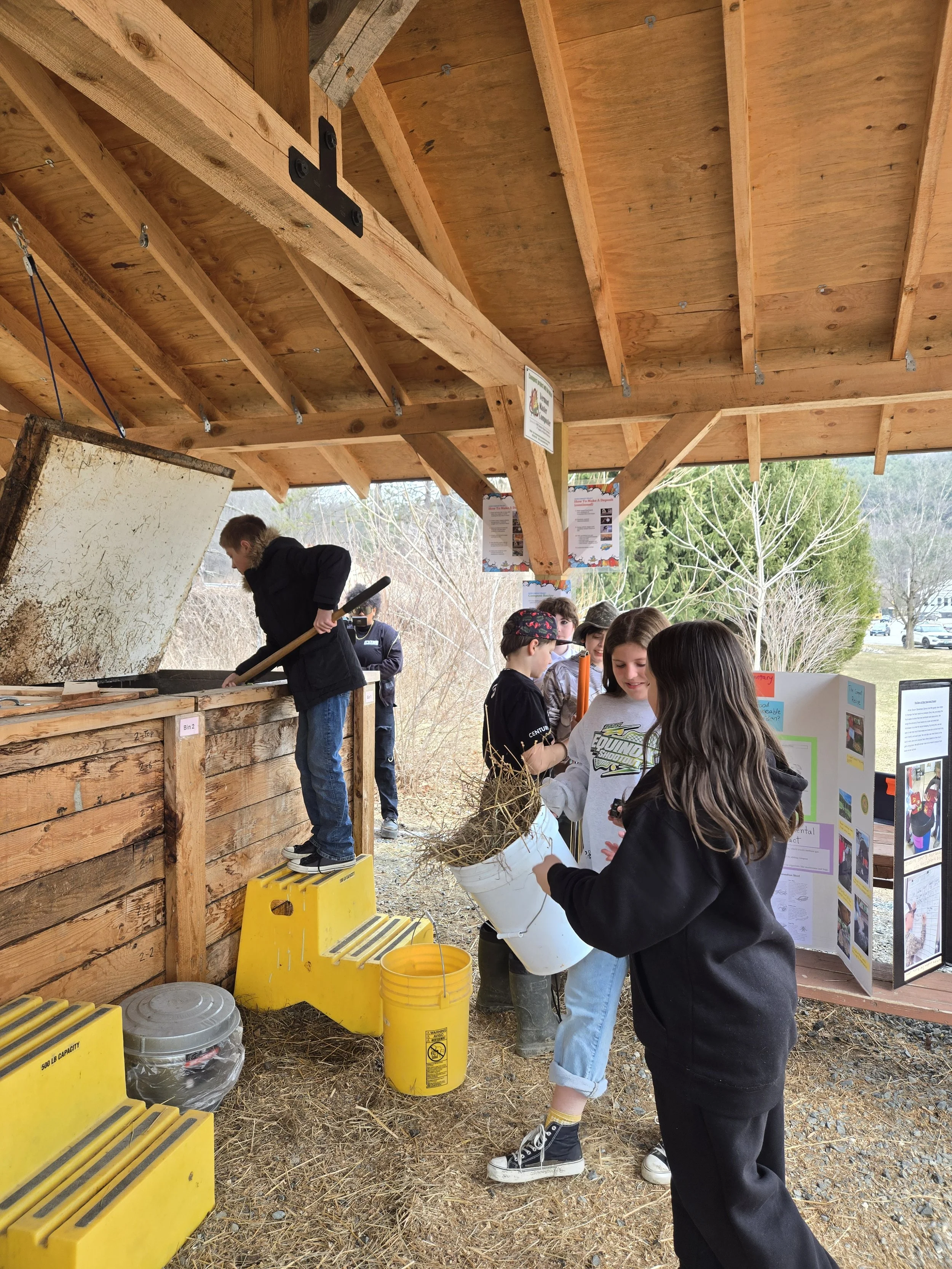
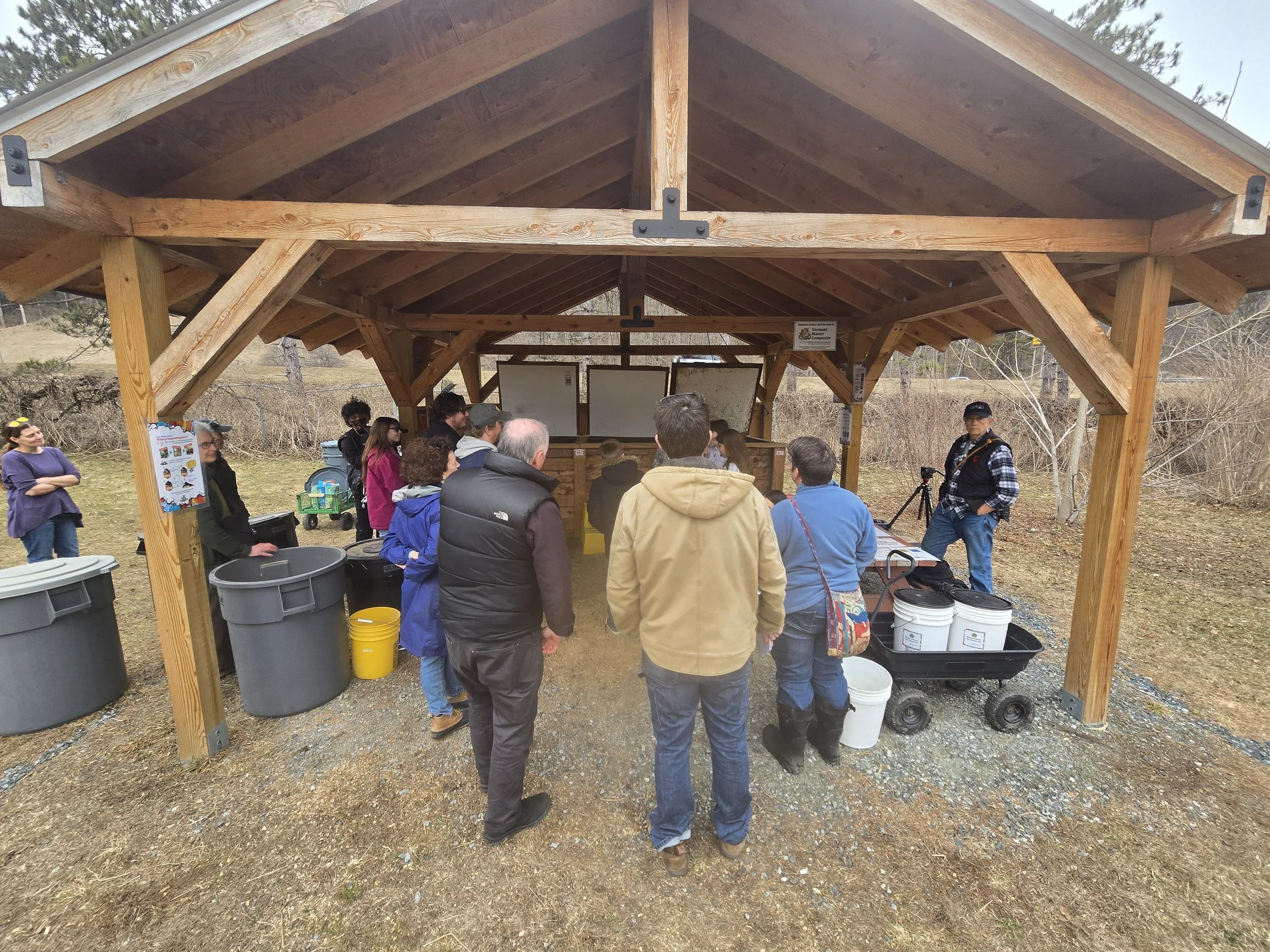
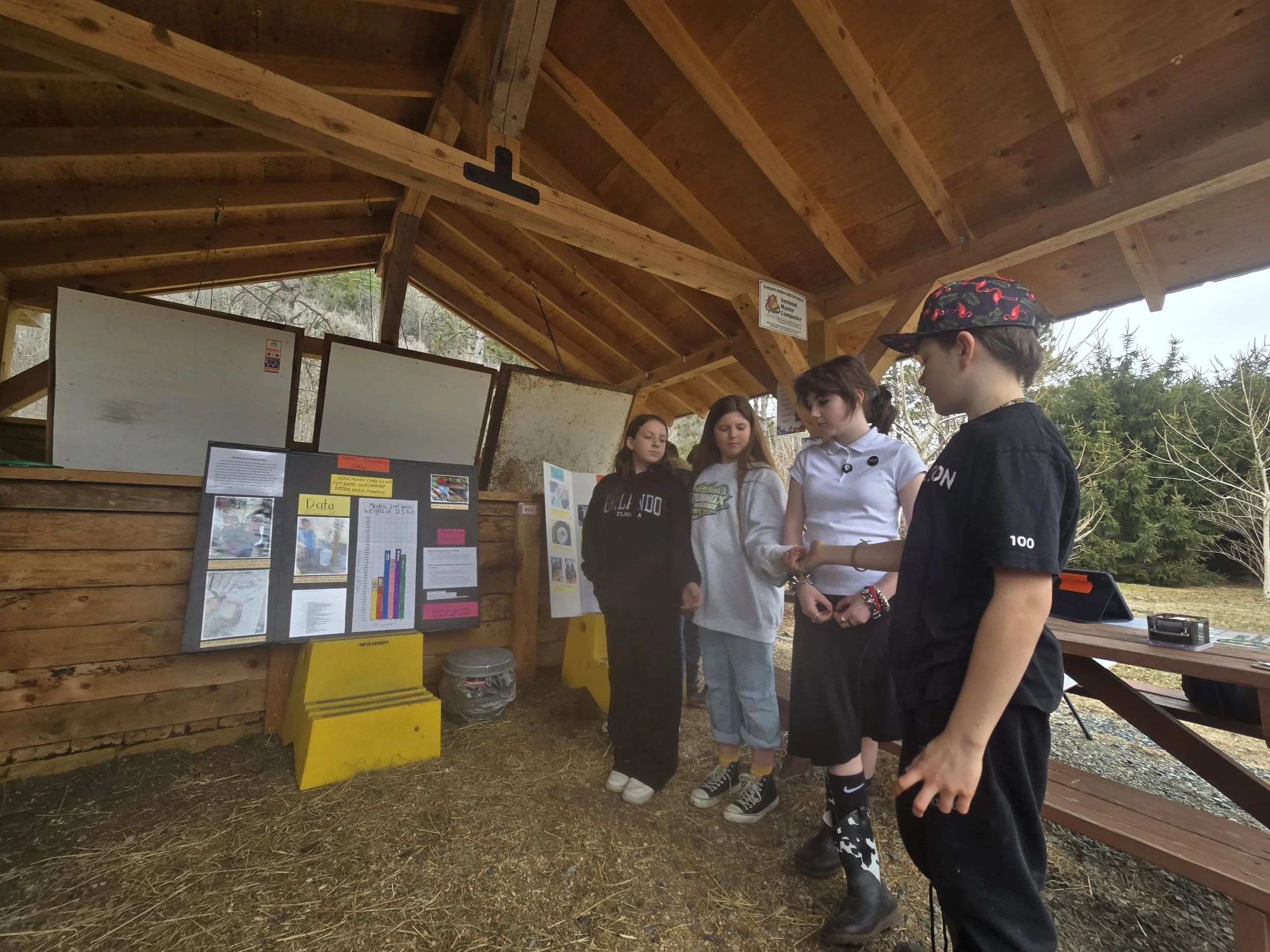
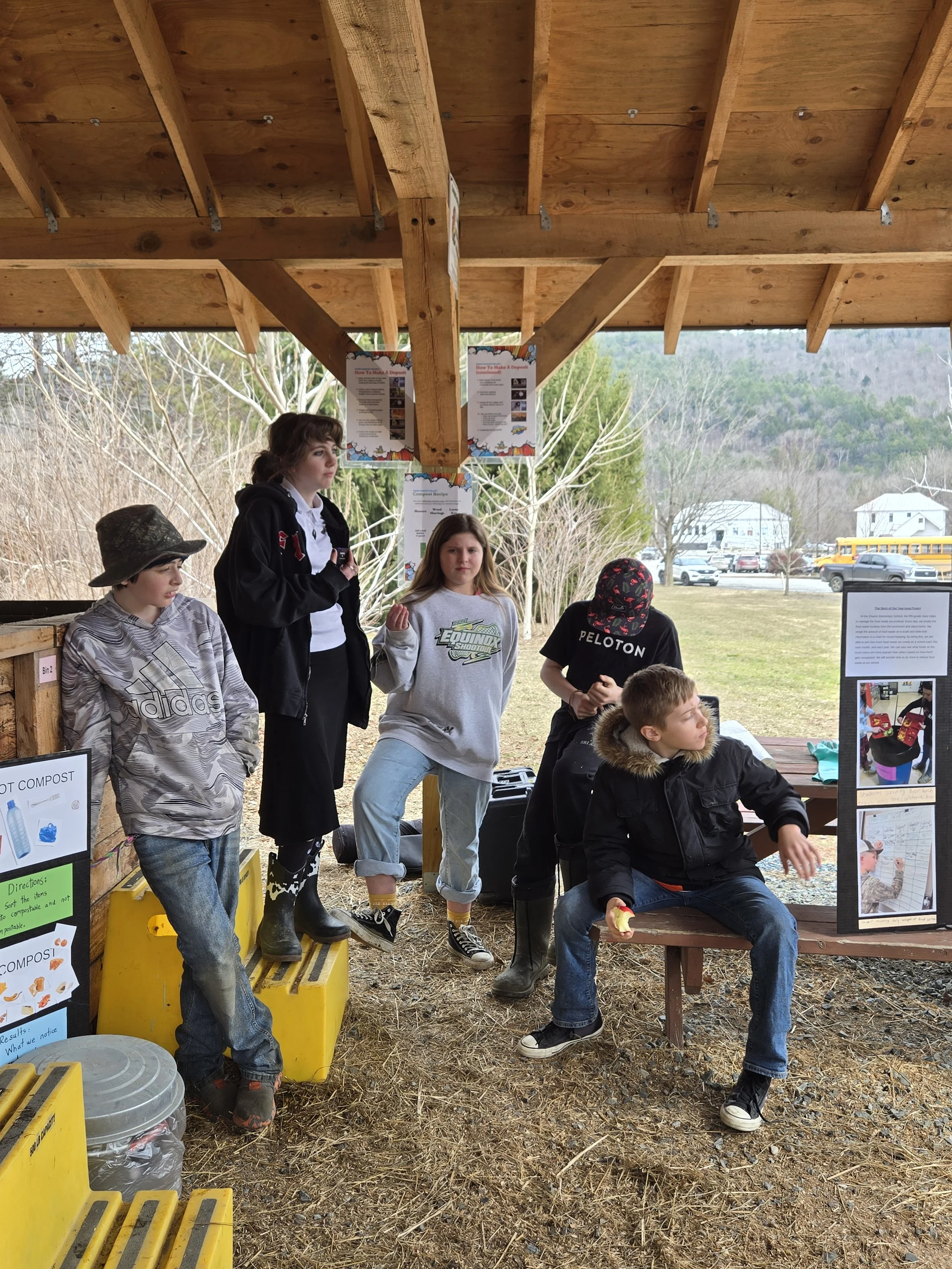
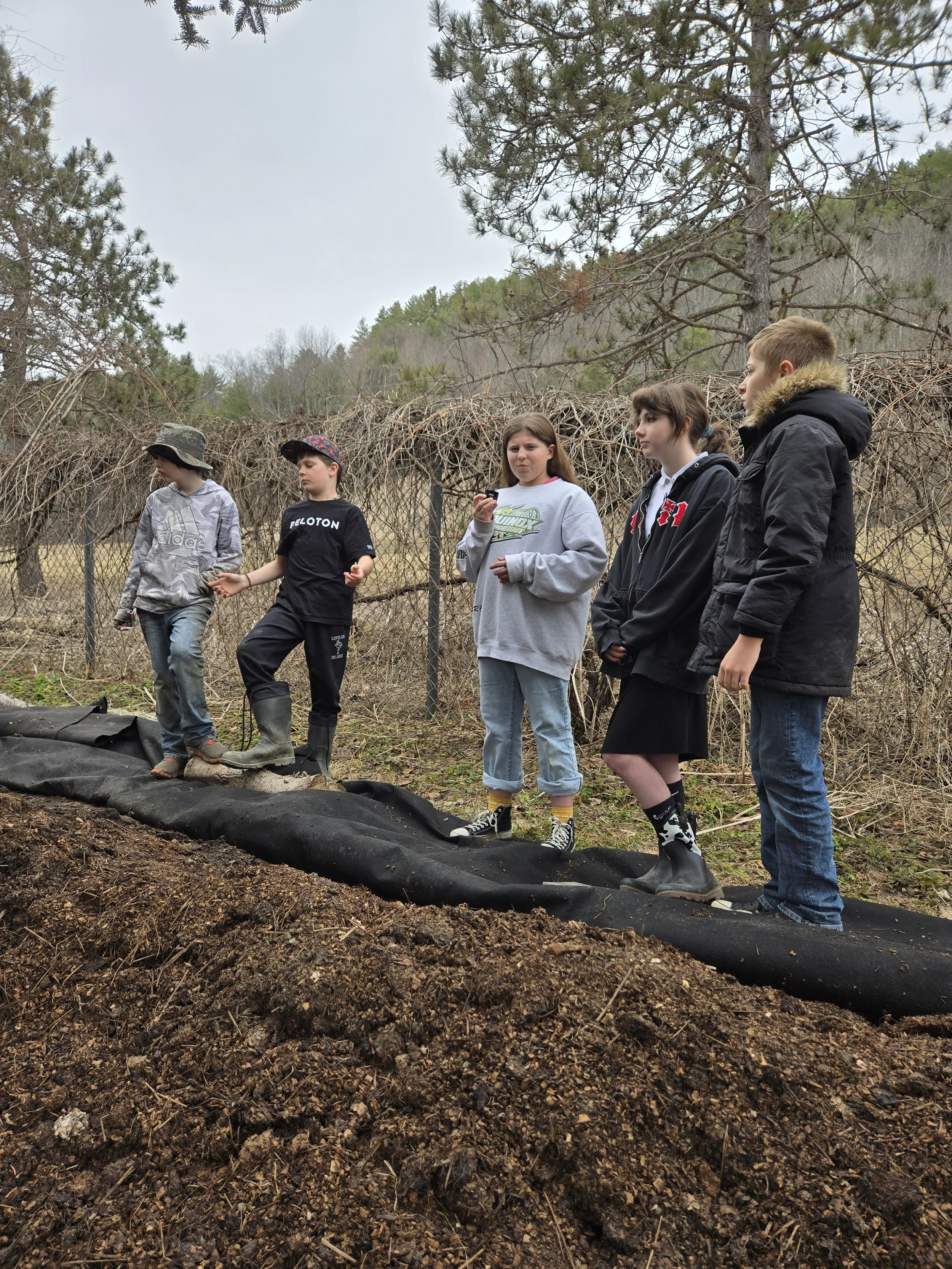
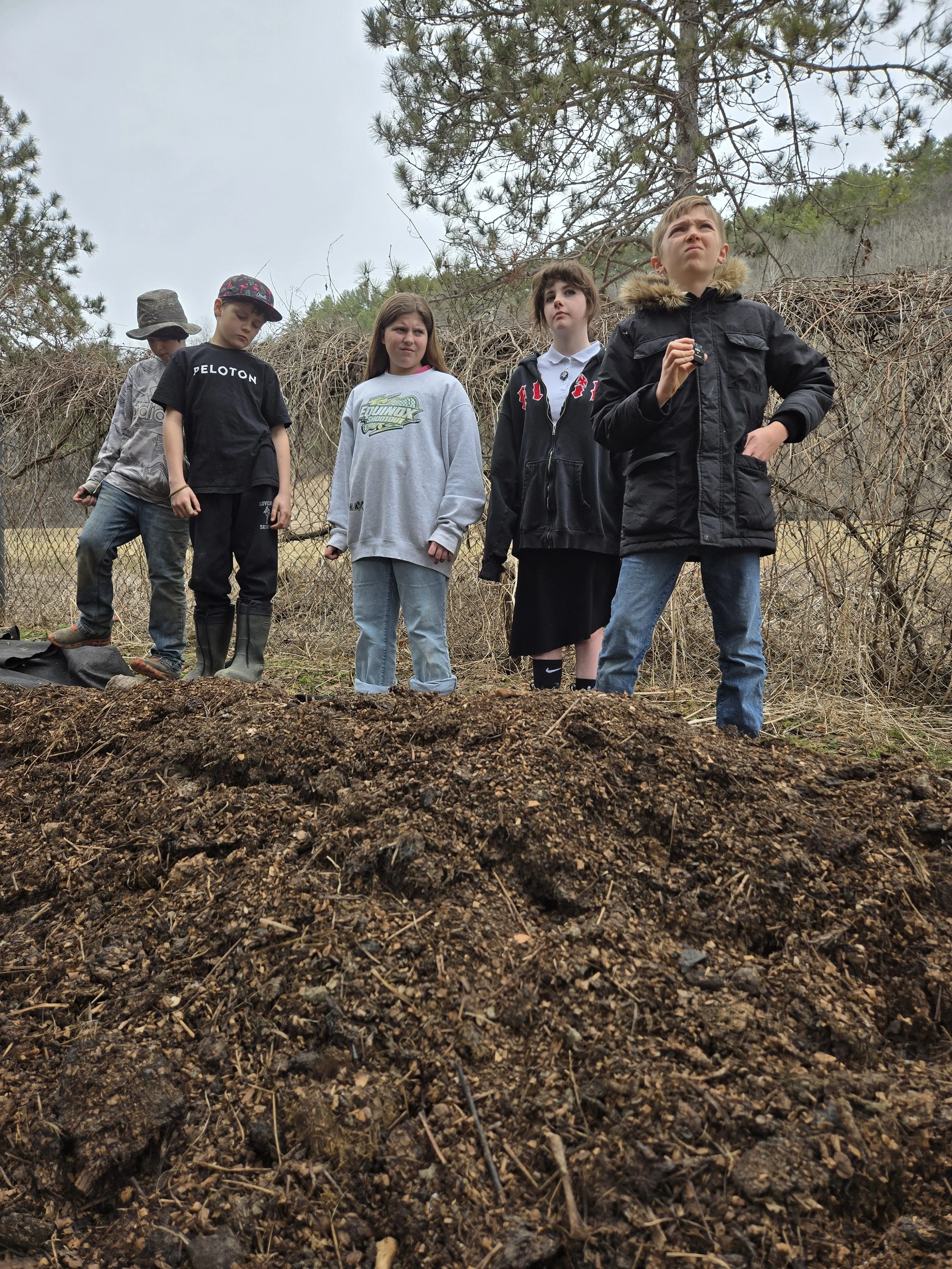
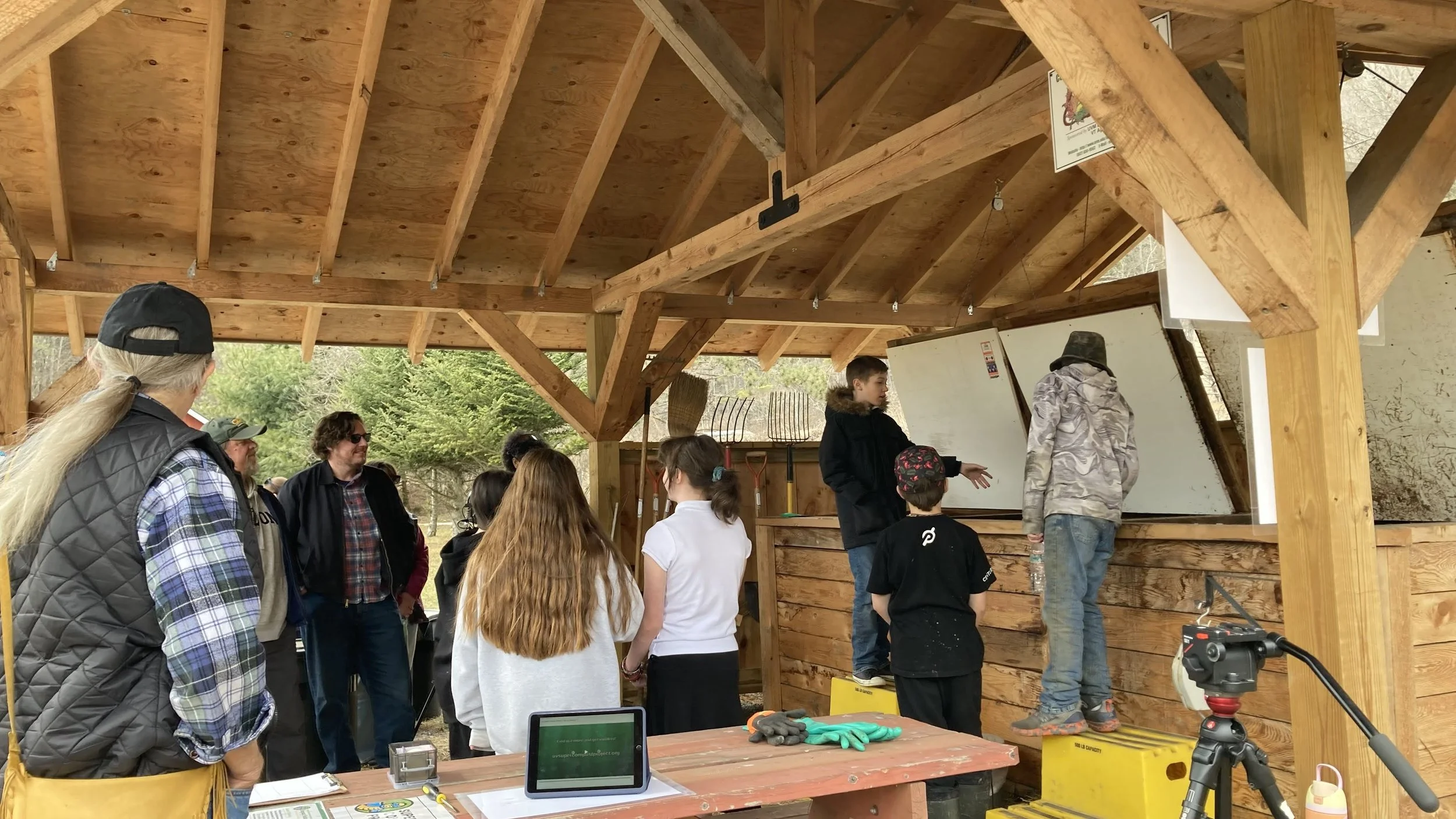
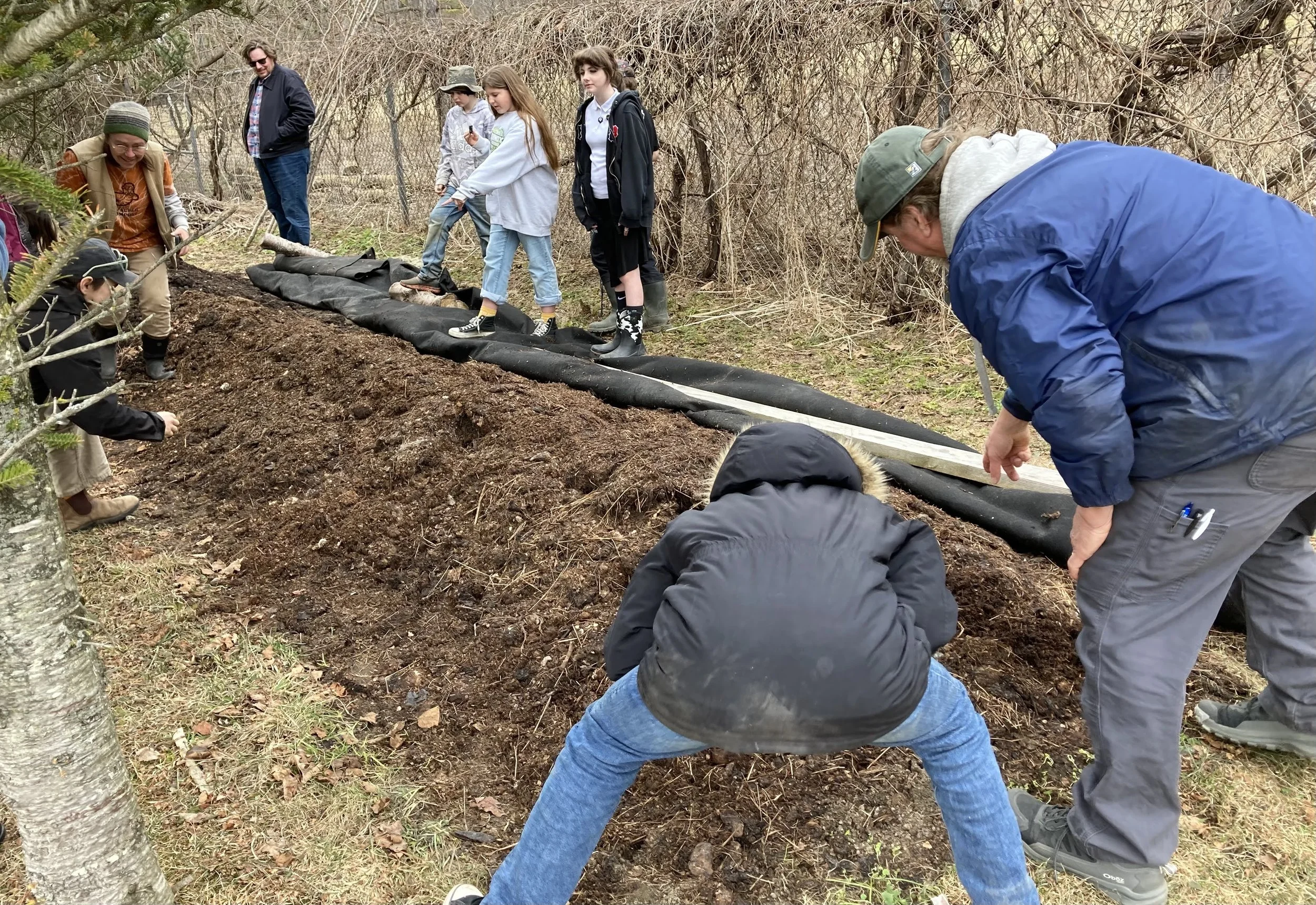
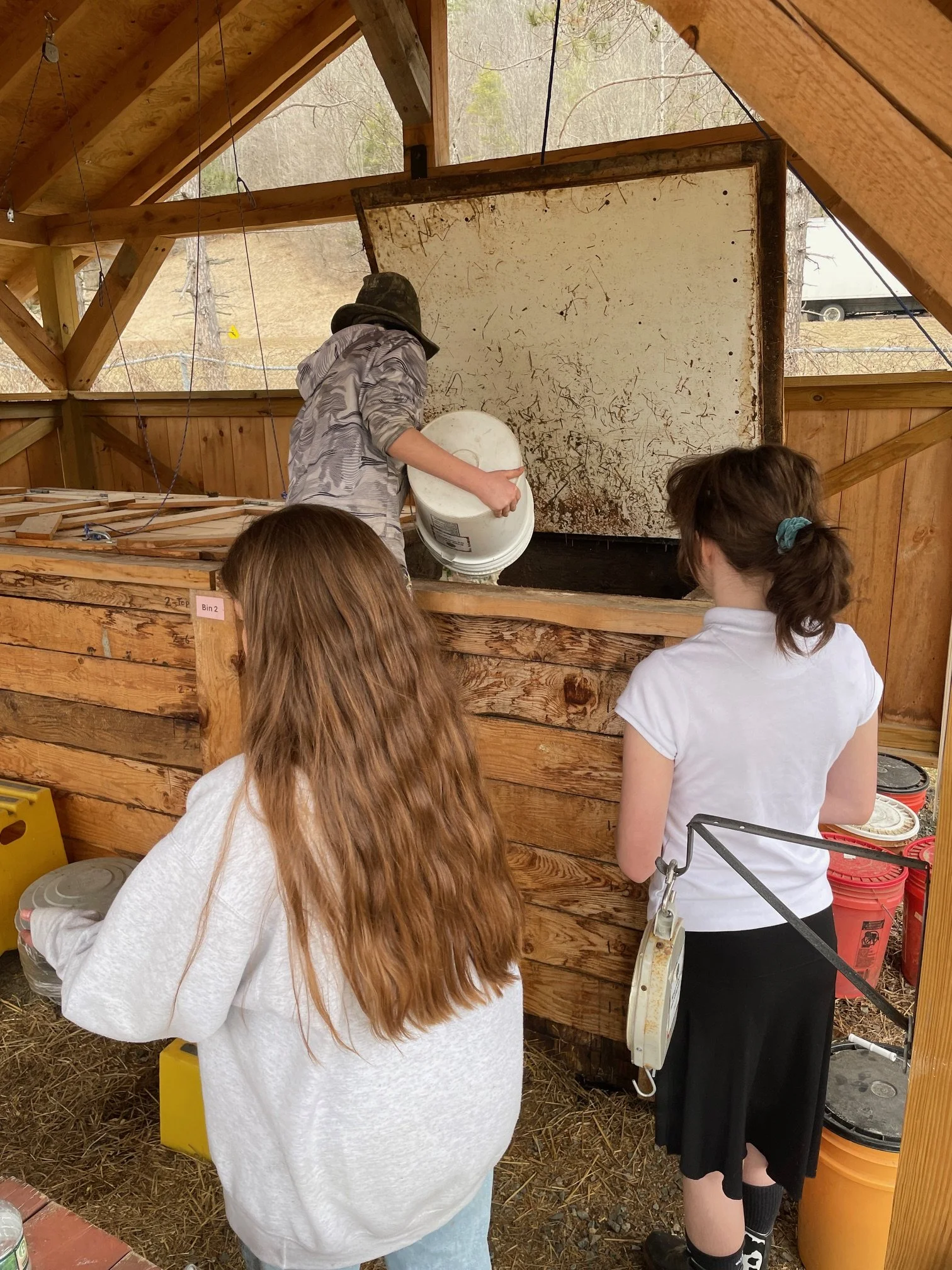
UV Super Compost ‘palace’ tour at Sharon Elementary School - with students! (Sharon)
The Upper Valley Super Compost Project (UVSCP) is a nonprofit initiative to bring tailored compost infrastructure to public schools and support the development of cooperative, fully integrated school composting programs. UVSCP systems are collaboratively developed with schools and communities to support effective food scrap recycling, student learning and leadership, real-world problem solving, reinvestment in school staff, and the development of social and soil resilience. Sharon Elementary started using their Super Compost system in November 2023 and led the tour of their working system.
The Harold paper (Randolph) was on hand and published this article.
Composting Animal Mortalities: Regulations, Best Practices, and a Facility Tour (Brattleboro)
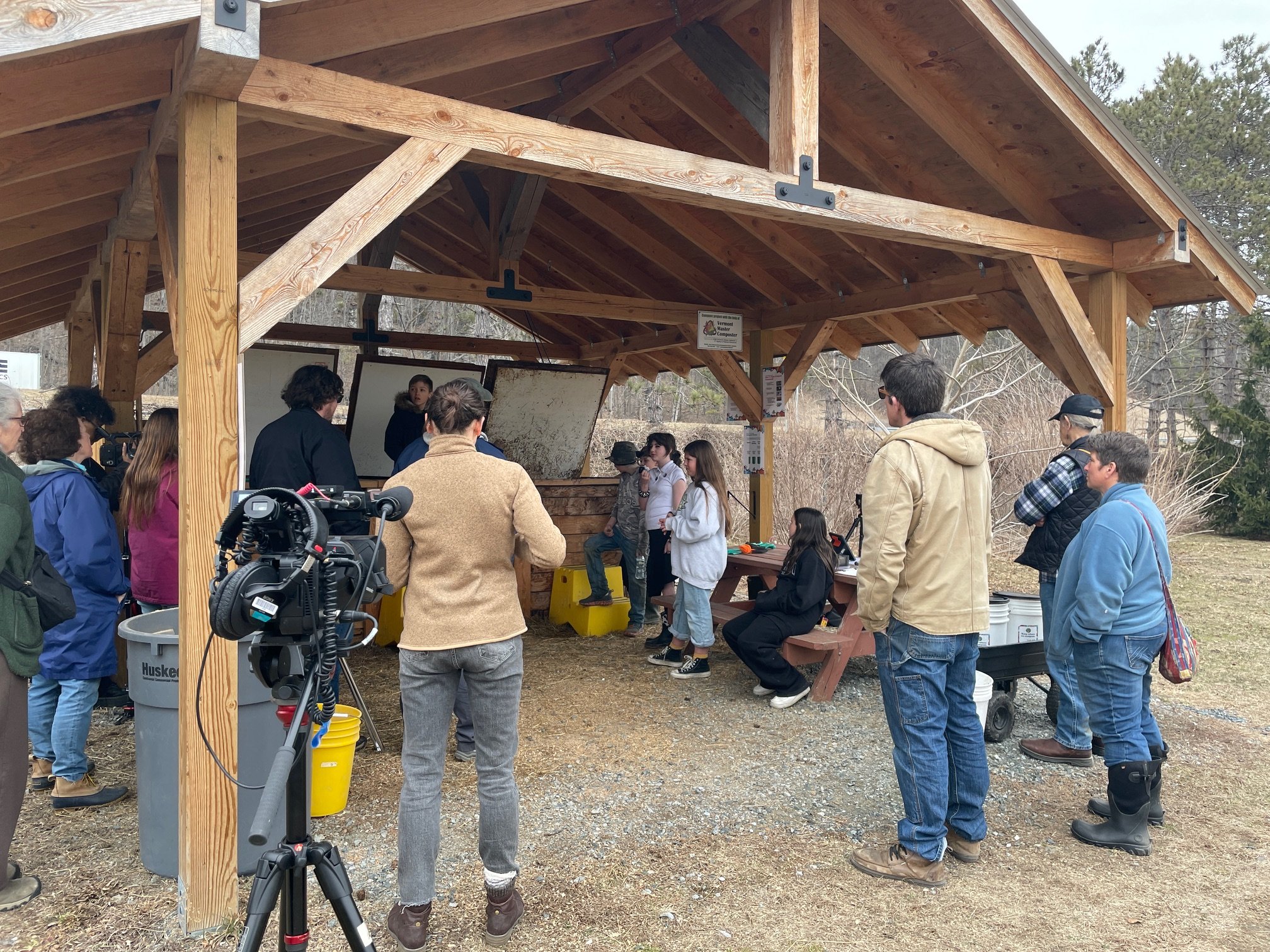
Animal mortalities and slaughterhouse by-products are generated across Vermont and can be responsibly managed through composting at permitted facilities. This workshop explained current solid waste regulations and proposed revisions designed to address the growing demand for mortality composting, and how these rules shape facility operations. Staff from the Windham Solid Waste Management District shared how they have integrated chicken mortalities into their compost recipe, illustrated with photographs showing proper handling to prevent odor, runoff, and other impacts. The workshop began indoors with an overview of regulations and operational practices, followed by a guided walking tour of the compost facility to see these systems in action.

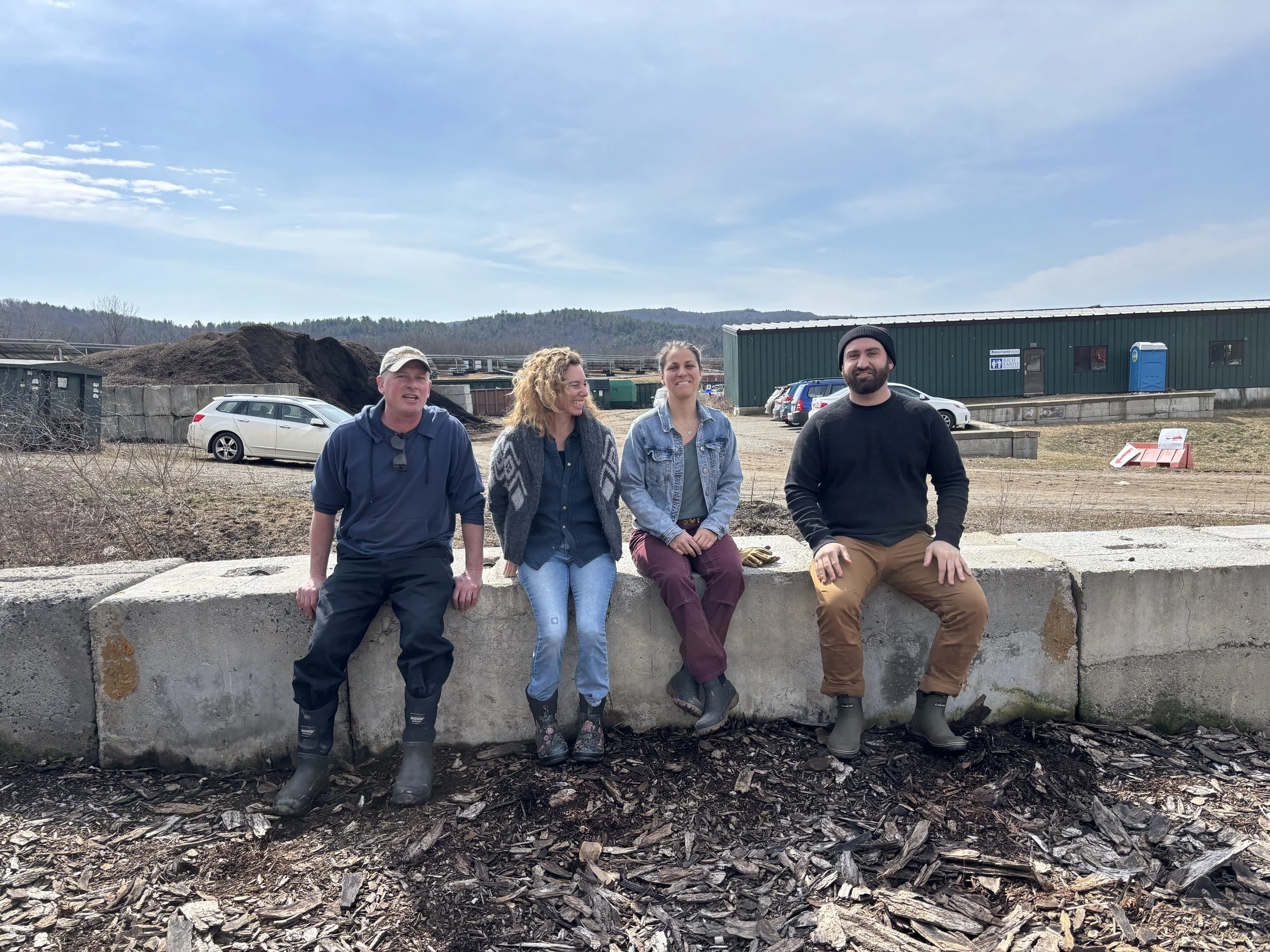
Rich Earth Institute - Clean Water, Sustainable Farms: Tour of Research Facility and Update on Recent Research (Brattleboro)
Rich Earth Institute provided a tour of their Research Center including our lab, wet room (where we sanitize collected urine), portable toilet operation, demonstration garden and vermiponics system. The tour included an overview of our Urine Nutrient Reclamation Program and a slide presentation of their latest on-farm research. They shared findings from our 3-year study investigating soil health impacts and farmer perspectives on novel soil amendments—including human urine, biochar from biosolids, biochar from other biomass, and compost—and discussed new equipment for on-farm urine fertilization. At the end, they shared their vision for upcoming research.
Interested in sponsoring VORS 2027?
Consider becoming a CAV sponsor to maximize your visibility among out community!
Interested in only sponsoring or exhibiting at the Summit? We have four categories:
$1,500 includes additional acknowledgement, exhibitor table, 4 comped registrations
$1,000 includes exhibitor table, 2 comped registrations
$500 includes exhibitor table, 1 comped registration, 1 discounted registration
$250 includes exhibitor table, 1 discounted registration
Logos and website links for Sponsors are included in promotion, on event and organization websites, and through our social media. We estimate VORS annual electronic promotion reaches 10,000+ individuals.
The purpose of this session is to increase food security for Vermonters by reinvigorating the connection between the waste management sector and the food rescue community. A 2022 UVM study showed that 2 in 5 people in Vermont had experienced food insecurity in the past year. Solid Waste partners have a vital role to play on the road to food security, and the session will share the connection to the strategic state document, the Vermont Food Security Roadmap to 2035.
Learn about opportunities to connect with the Hunger Free Vermont’s Food Security Networks across the state and enhance your networks. Get inspiration and tools from Willing Hands and the Vermont Foodbanks outreach to increase the rescue of wholesome food before it enters the waste steam.
Moderator:
Christine Beling, VT Department of Environmental Conservation
Presenters:
Becka Warren, Food Security Roadmap Coalition
Joshua Ellison, Vermont Foodbank
Gabe Zoerheide, Willing Hands
Download slidedeck pdf