
MODULE 2: System Support

IN THIS LESSON
Project goals, vision and mission
Compost team and other stakeholders
Resources:
Recorded webinar
Tipsheets
Additional resources
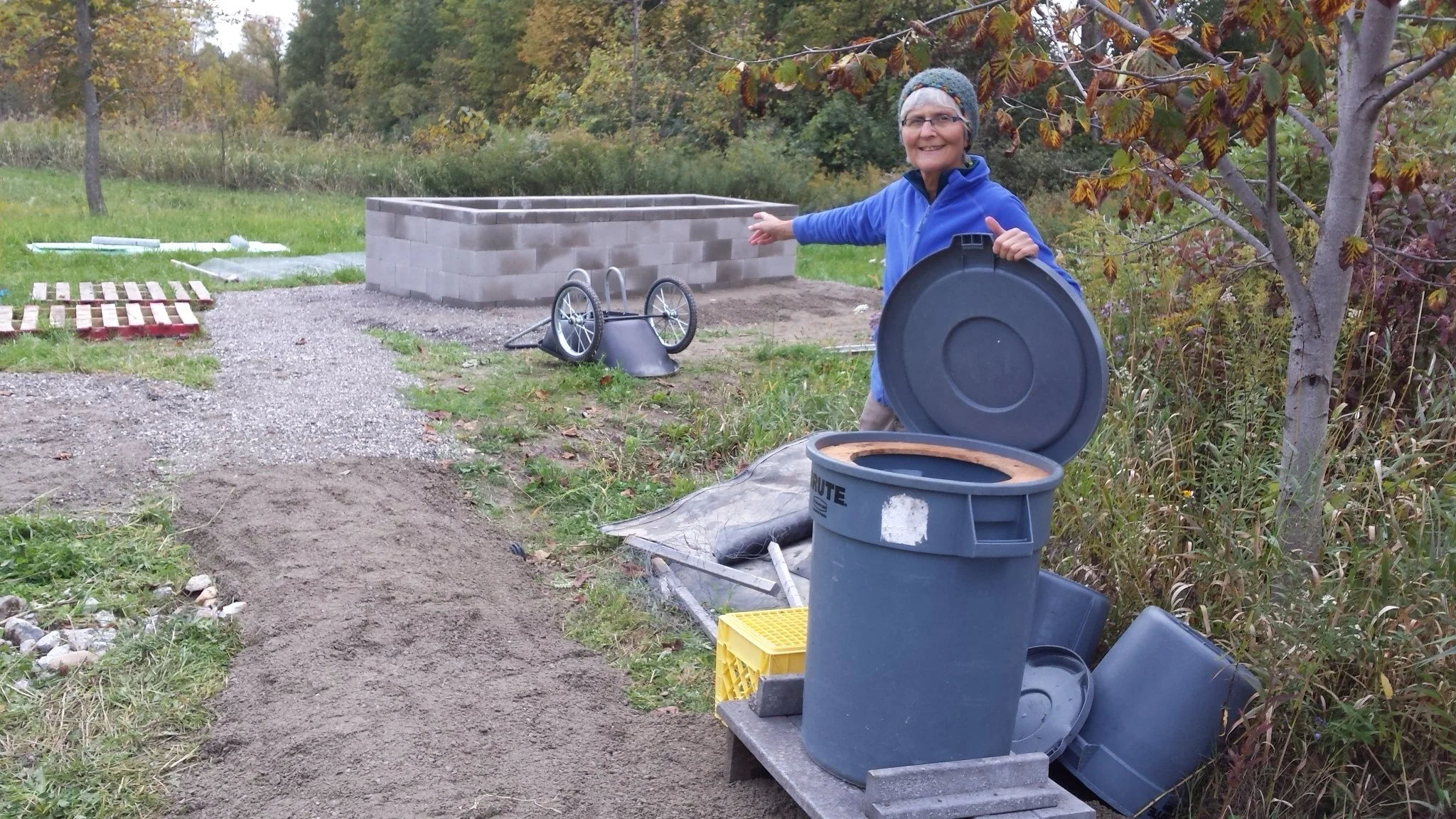
Community composting at Champlain Valley Co-housing in Charlotte, VT.
While it's tempting to jump right into choosing a system and learning the science, community composting is a people-based effort!
We encourage community compost organizers to take some time to think through their goals (the vision and mission for the site), how to effectively connect with the compost team and stakeholders, and how to communicate with members as well as the wider community.
The below video shares best practices for building a community compost team.
Community Composting Success
This webinar provides an overview of the “people side” of community-scale composting and talks about:
Getting started
Roles & Tasks
Training
A Case Study in Central Vermont
Creating Sustainable Sites
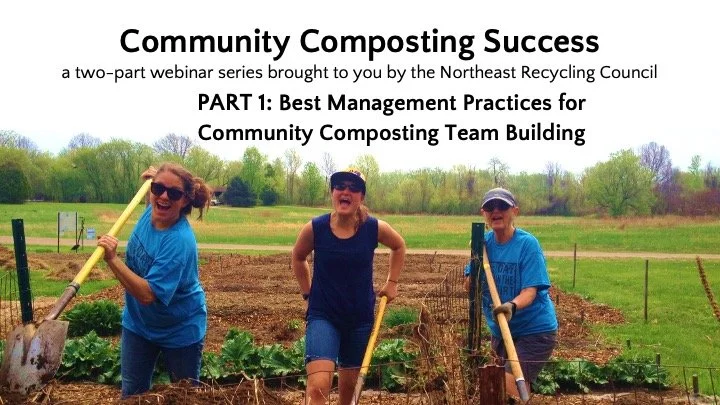
As part of the project, Implementing Rural Community Composting in Connecticut, Maine, Massachusetts, New Hampshire, New York, and Vermont, CAV partnered with the Northeast Recycling Council, Vermont Community Garden Network (VCGN), and Central Vermont Solid Waste Management District to provide a webinar on Community Composting Team Building
Closer looks
CAV joined forces with NERC and VCGN to take “closer looks” at shared leadership and volunteer engagement in community composting.
Tip sheets
Volunteers provide crucial compost site operations support and it’s important that they be provided a range of opportunities for getting involved. This tip sheet provides ideas for the different roles and volunteer activities that are needed for a successful community composting site.
What volunteers need to know depends on their level of involvement in the site. Everyone working onsite should be acquainted with their role and tasks, volunteer engagement, and other site management requirements. This tip sheet also includes a template for creating job descriptions.
This tip sheet is intended to put site coordinators “in the shoes” of your compost team volunteers. While people differ about the types of volunteer experiences they desire, there are key elements that tend to be universal in making a volunteer experience memorable (in a good way) and that foster long-term volunteer involvement.
Integral to ensuring that the site runs smoothly is adopting a range of communication techniques, including site signage. This tip sheet reviews different kinds of signage recommended and gives several examples of effective signs used at a wide range of community composting sites.
Being a good neighbor is vital for the long-term sustainability of all community compost sites. Neighbor concerns will arise and it’s up to site coordinators and the compost team to respond to these concerns. This tip sheet provides key “talking points” as well as different ways of communicating with neighbors.
When starting a composting program, neighbors, volunteers, staff, and even people in the larger community may have questions about the health and safety of the project. Everyone involved with the collection of food scraps and community composting should follow Health and Safety Guidelines.
See these specific guidelines for school projects
More resources
ABCD Toolkit (Asset Based Community Development)
Diverting food scraps and other organic waste is an essential solid waste management service. Practiced safely, composting brings communities together while allowing social distancing, provides healthy outdoor activity, and fosters other positive activities, including gardening.
Institute for Local Self-Reliance has a number of great “Composting for Community” resources
Central Vermont Solid Waste Management District put together a good backyard food scrap composting primer, The Dirt on Compost
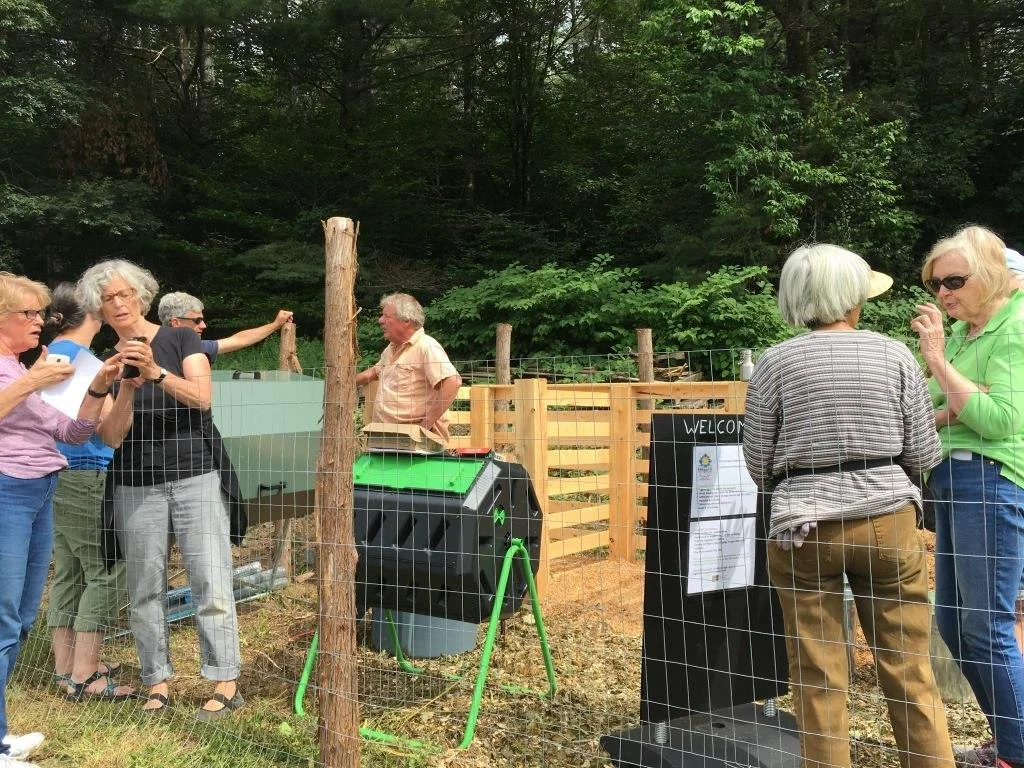
Ludlow Area Community Garden & Community Compost, Ludlow, VT.