MODULE 3: Operation Logistics

IN THIS LESSON
Information about different composting systems and exercises to help you visualize how to set up your site.
An overview of the different steps of managing a compost system - from collecting feedstocks, to screening and distributing the finished compost.
Resources:
Recorded webinar
Tipsheets
Additional resources
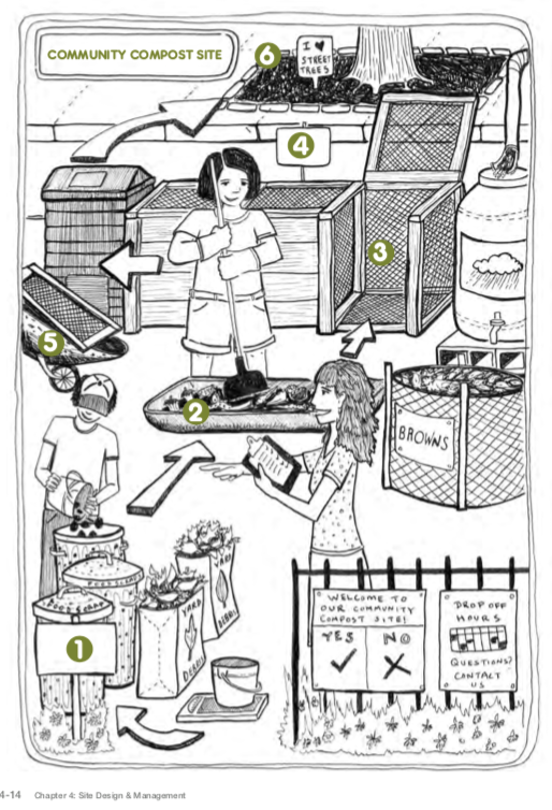
Image used with permission from the NYC Compost project Master Composter Course Manual. Chapter 4: Site Design & Management.
Best Management Practices for Community Composting
This webinar provides an overview of the process of community-scale composting and talks about:
The Science of Composting
Feedstocks & Recipe Development
Site & System Considerations
Community Compost Systems
Process Management, with Case Studies
Record Keeping Essentials
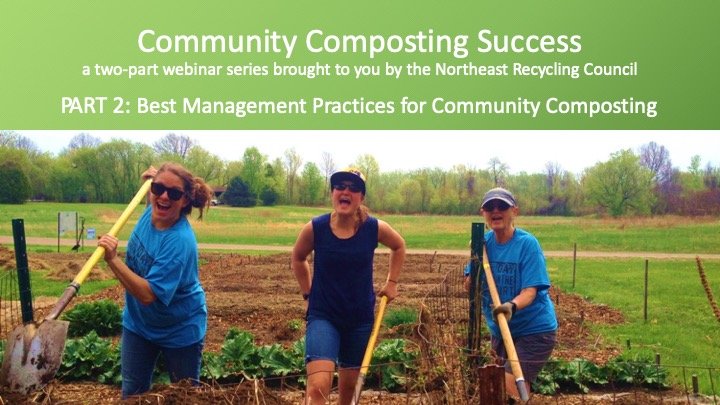
As part of the project, Implementing Rural Community Composting in Connecticut, Maine, Massachusetts, New Hampshire, New York, and Vermont, CAV partnered with the Northeast Recycling Council and the Lakes Region Planning Commission to provide a webinar on Community Composting Best Management Practices.
Tip sheets
This tip sheet provides an overview of how composting happens, and how to create the right habitat for the microorganisms (bacteria, fungi, other organisms) that are instrumental in the composting process.
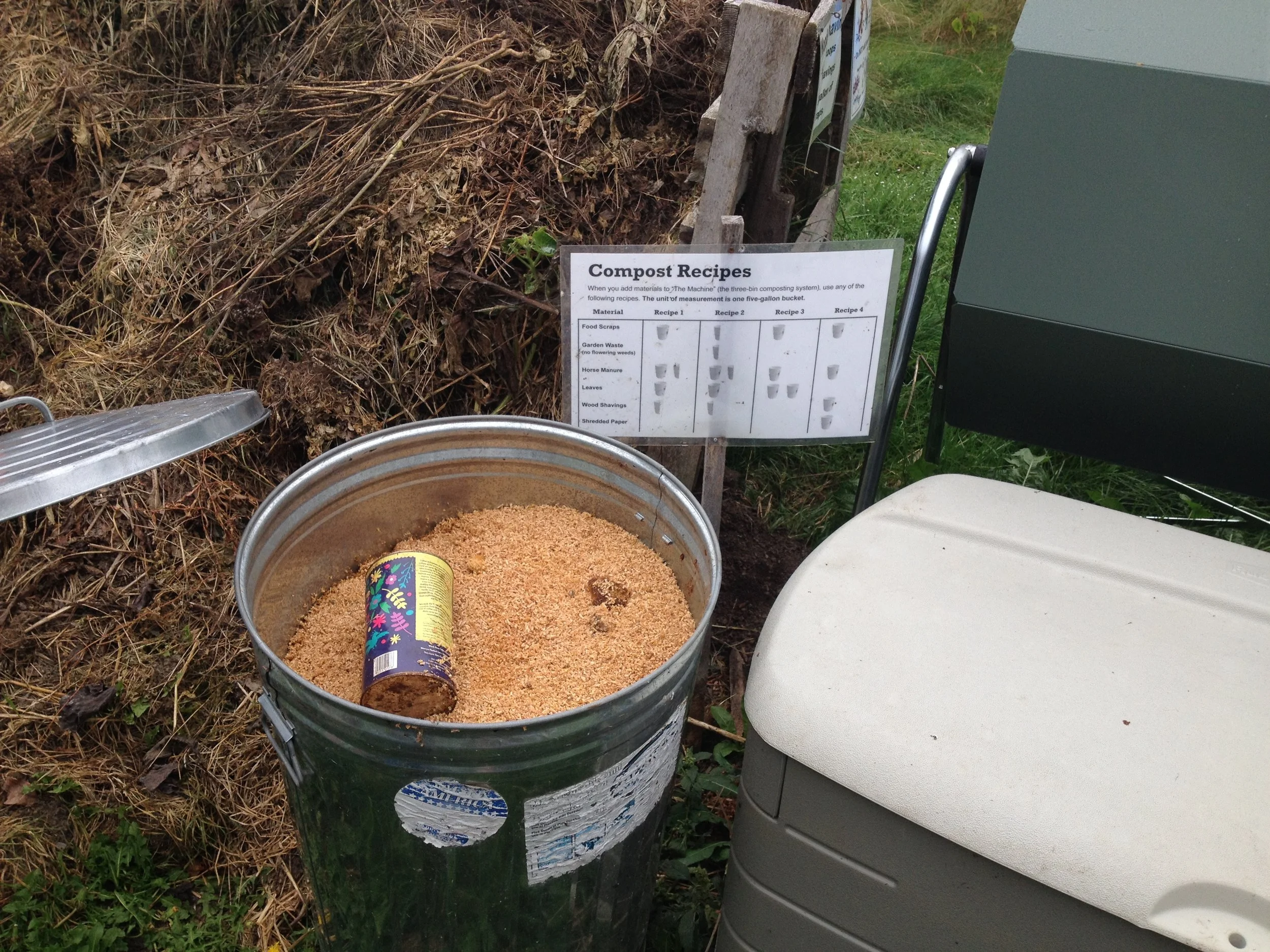
Regardless of how big or small the site, putting some thought into how to set it up can make a huge difference in the ease of use for site participants. Somethings to include in the design: tool storage, carbon storage, access to water, management of high-flow areas (for example, food scrap drop off), parking (if necessary), and more.
Community Composting Systems Overview
Community composting can be done in many ways. The “best” way is the one that meets the needs of the compost site’s unique circumstances, the team members, and the resources available.
As tumbler systems are pretty unique, we’ve created a separate tip sheet on their use.
It’s important to understand how the composting system is supposed to work and to manage the collection of feedstocks, reviewing the logbooks, and troubleshooting as needed. It also includes the people-part of the process, providing or arranging for trainings, knowing volunteer availability and scheduling, and fostering clear and open communication.
A compost “recipe” is a specific blend of materials mixed together in a compost system. Having different recipes, based on the type of feedstock materials and the type of compost system used, will help the system reach the optimum carbon to nitrogen (C:N) range for the decomposing microbes to do their work.
Keeping accurate and detailed records is an important aspect of managing a compost system. They provide crucial feedback about how the system is working and information upon which to base decisions or take action.
Being a good neighbor is vital for the long-term sustainability of all community compost sites. Neighbor concerns will arise and it’s up to site coordinators and the compost team to respond to these concerns. This tip sheet provides key “talking points” as well as different ways of communicating with neighbors.
When starting a composting program, neighbors, volunteers, staff, and even people in the larger community may have questions about the health and safety of the project. Everyone involved with the collection of food scraps and community composting should follow Health and Safety Guidelines.
See these specific guidelines for school projects
More resources
Community Composting Site Inspection Form
The Site Inspection Form is a useful tool to use when walking through an existing site or considering how to set up a new site. The different sections of the inspection form provides prompts for thinking about different aspects of site set-up and ensures that all of the necessary components are being included.
Diverting food scraps and other organic waste is an essential solid waste management service. Practiced safely, composting brings communities together while allowing social distancing, provides healthy outdoor activity, and fosters other positive activities, including gardening.
Invasive jumping worms (or snake worms) are increasingly becoming an issue of concern. Here’s an info sheet developed by CAV in partnership with Dr. Josef Gorres of UVM.