
Soil Builders - Education for Action
Healthier lawns. Healthier lakes.
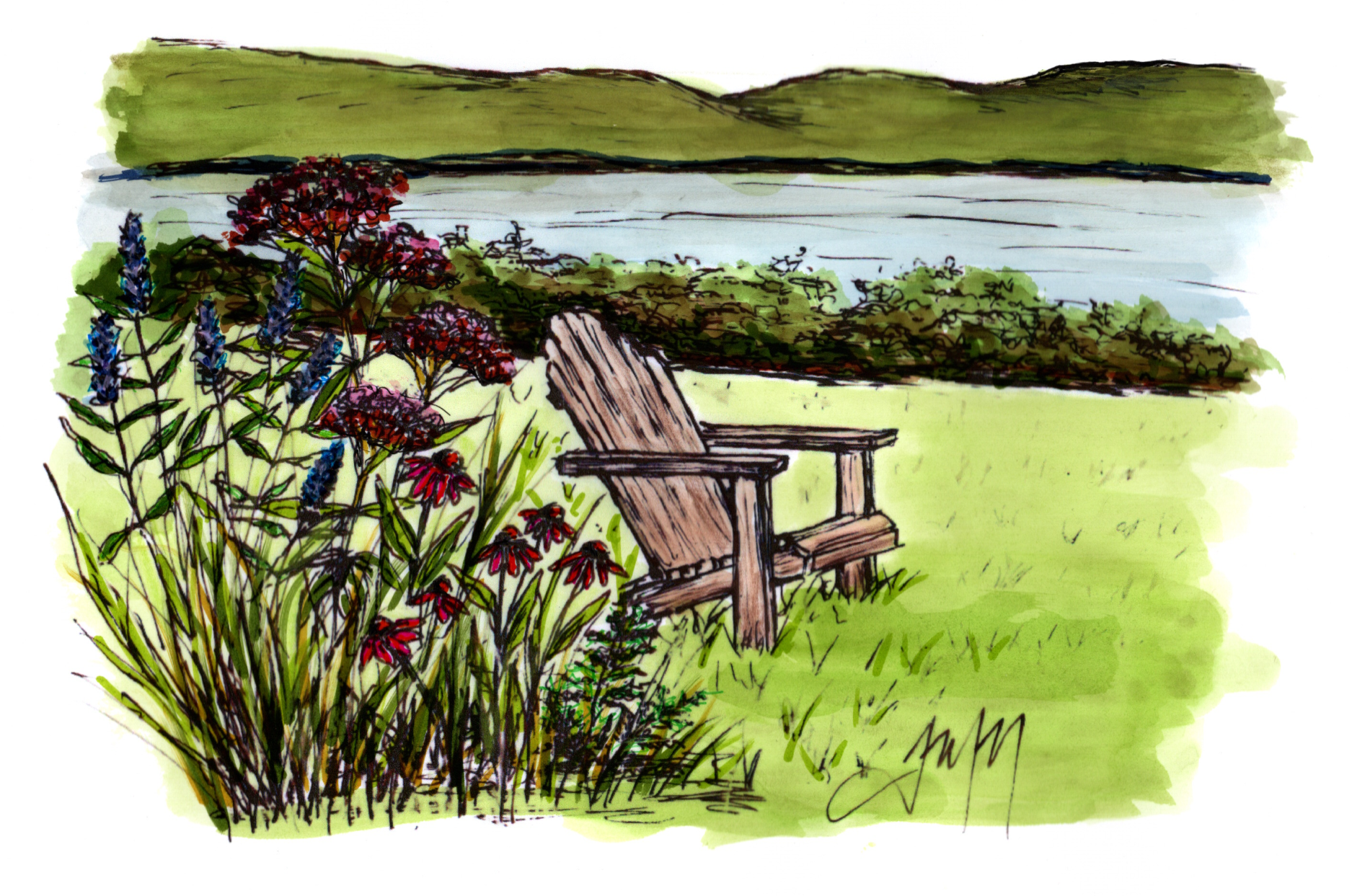
Your Lawn Is Part of the Watershed
Water leaving your yard does not disappear. It flows into storm drains, streams, and rivers—and eventually into Lake Champlain. What happens on your lawn affects the lake.
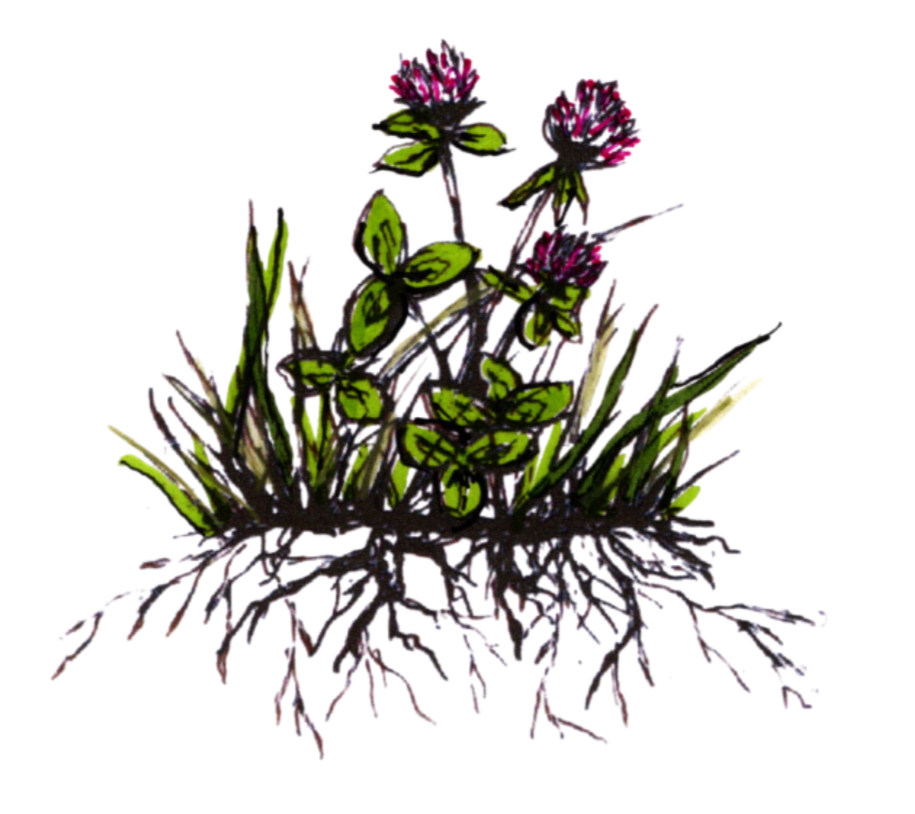
Artwork by Artwork by Jeannie Marie Nicklas www.jeanniemarienicklas.com
The Problem with Conventional Lawn Care
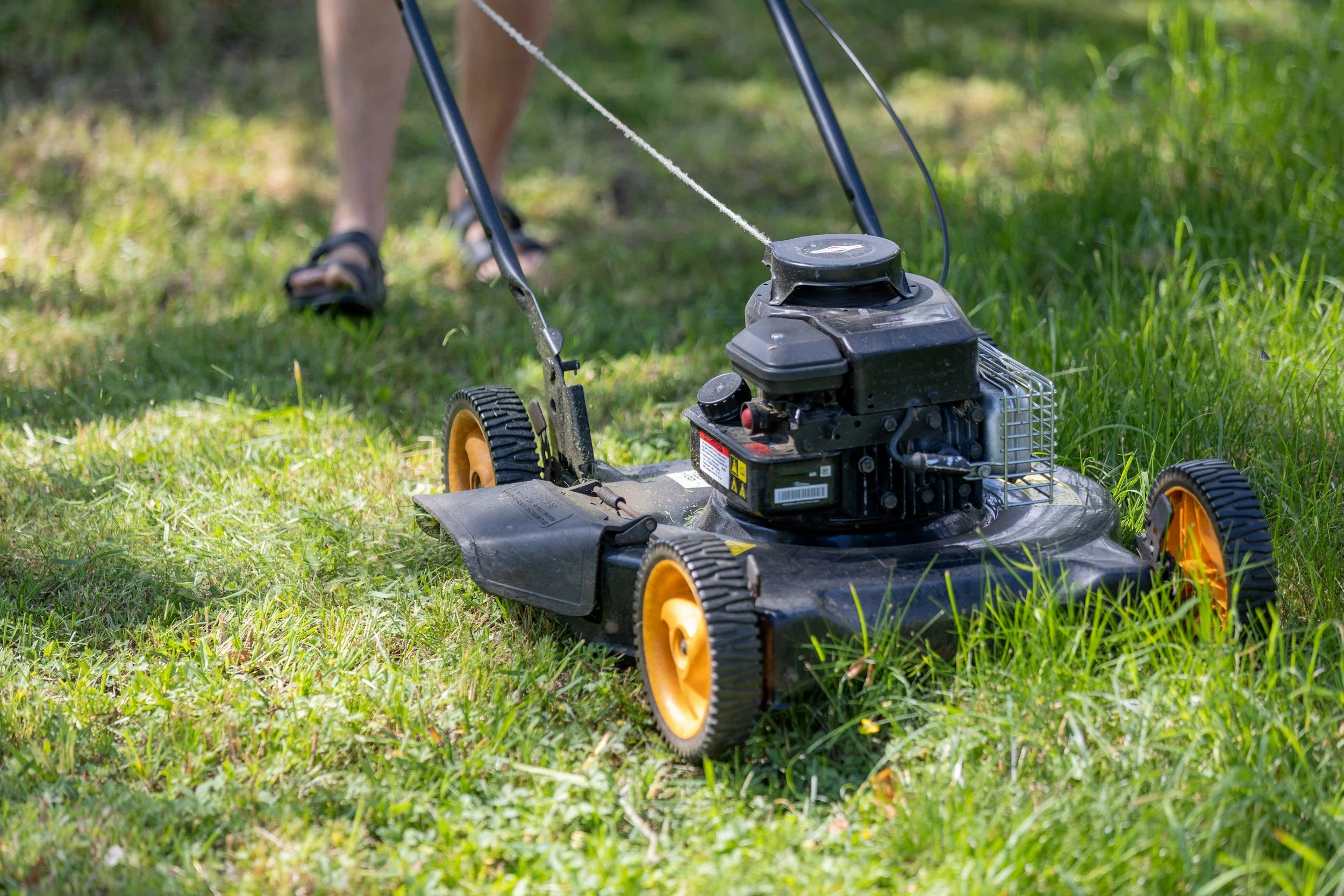
Lawns are the largest irrigated “crop” in the United States. Managing them often involves:
Fertilizers
Pesticides
Frequent mowing
Significant water use
When rain falls, it can carry soil, nutrients, and chemicals off lawns and into waterways.
Phosphorus, in particular, contributes to algae blooms in lakes.
Healthy soil makes the difference
Lawns with healthy soil behave differently. They:
Absorb more water
Reduce runoff
Keep nutrients in place
Support deeper root systems
Compost is one of the most effective ways to improve lawn soil.
Why compost works
Compost improves lawn performance by:
Increasing infiltration
Reducing erosion
Supporting beneficial soil organisms
Helping lawns withstand wet and dry conditions
It builds resilience rather than relying on repeated inputs.
Three steps that make an immediate impact
1. Mow Higher
Keep grass at 2½–3 inches or taller
Taller grass develops deeper roots
Deeper roots improve water absorption
2. Feed the Soil
Test soil before adding nutrients
Avoid phosphorus fertilizer unless needed
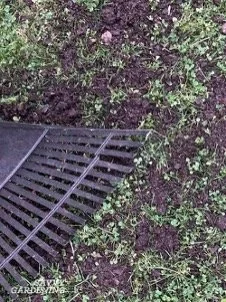
Add compost to build soil health
Leave grass clippings and mulch leaves
3. Rethink Lawn Areas
Reduce lawn where it’s not needed
Add native plants or pollinator habitat
Focus care where lawn is actively used
Pro Tip: Start with the soil.
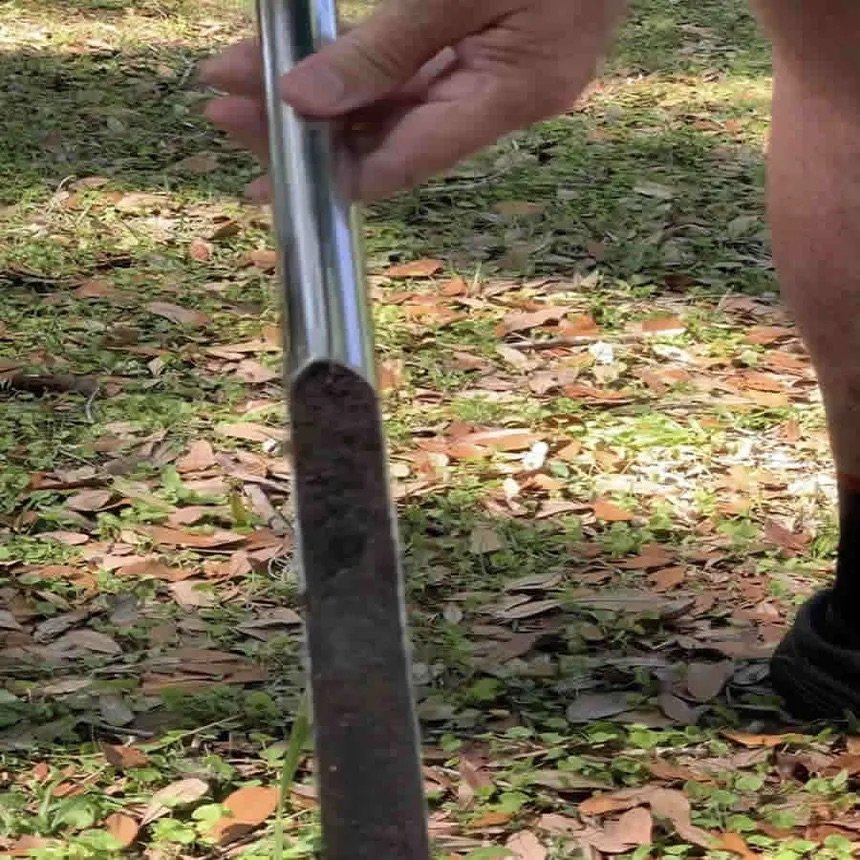
If you’re installing a new lawn, check the depth and quality of the topsoil before seeding.
Aim for at least 6 inches of good topsoil.
If the soil is shallow, compacted, or low in organic matter, add compost before planting.
Getting the soil right from the start makes it much easier to grow a healthy lawn without relying on pesticides or excess fertilizer.
Local context
Many soils in the Lake Champlain Basin already contain sufficient phosphorus. In Vermont and New York, applying phosphorus fertilizer is restricted unless a soil test shows it is needed. Building soil with compost is a lower-risk, longer-term solution.
What you can do this season
Start with one change:
Raise your mower height
Skip unnecessary fertilizer
Add compost
Each step helps reduce runoff and protect water.
Key takeaway
Healthy lawns start with healthy soil. And healthy soil helps protect the lake.

This project has been funded wholly by the United States Environmental Protection Agency under assistance agreement (LC00A00605) to New England Interstate Water Pollution Control Commission in partnership with the Lake Champlain Basin Program.