
Soil Builders - Education for Action
Working Soil. Working Landscapes.
When soil stops working
Across farms, construction sites, and roadsides, soil is often disturbed, compacted, or left bare. When this happens:
Water runs off instead of soaking in
Soil erodes
Nutrients and sediment move into waterways
This creates problems for both land use and water quality.
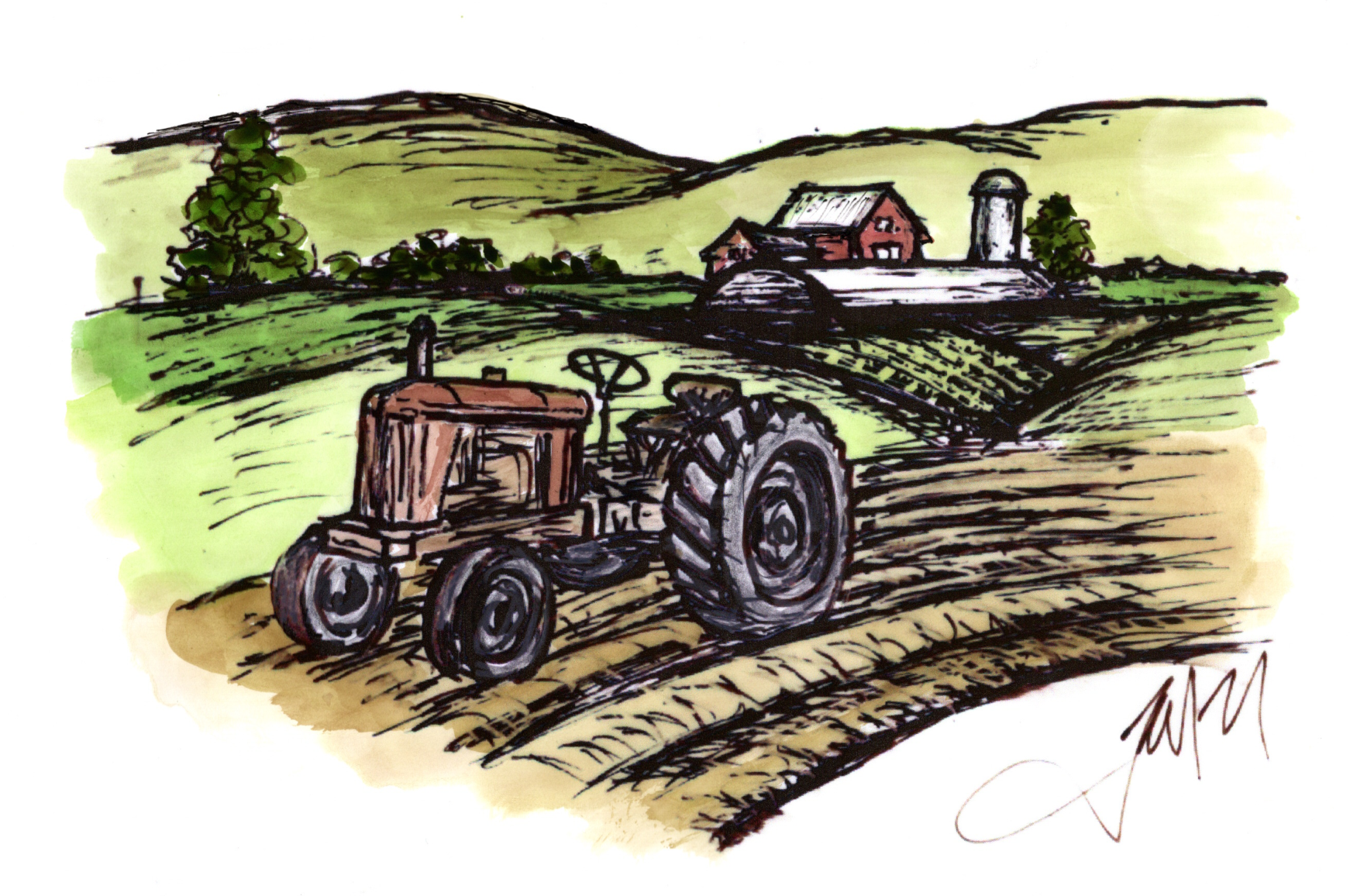
Artwork by Artwork by Jeannie Marie Nicklas www.jeanniemarienicklas.com
Compost rebuilds soil function
Compost restores the structure and biology that soil needs to function. It:
Improves aggregation (“crumb” structure)
Allows water and roots to move through soil
Supports steady nutrient availability
Reduces erosion and runoff
These changes help landscapes manage water more effectively.

On farms
Compost helps agricultural soils:
Absorb rainfall
Retain moisture during dry periods
Reduce nutrient loss
Support long-term productivity
Soils that hold water during storms are also better prepared for drought.
In infrastructure and public works
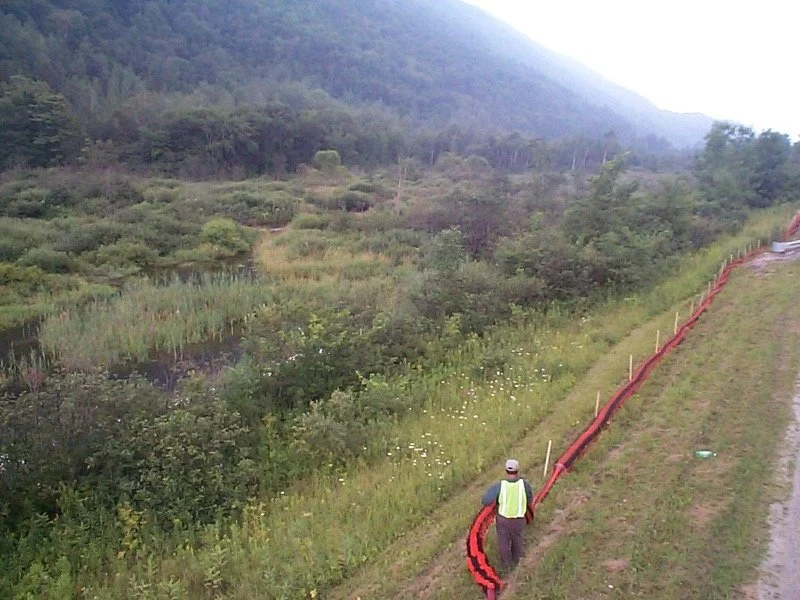
Compost is increasingly used in:
Roadside stabilization
Stormwater management
Construction site erosion control
Flood recovery projects
Common applications include:
Berms and blankets to slow and absorb runoff
Filter socks to trap sediment and pollutants
Check dams to reduce water velocity on slopes
These tools improve water management while protecting nearby waterways.
Why soil organic matter matters
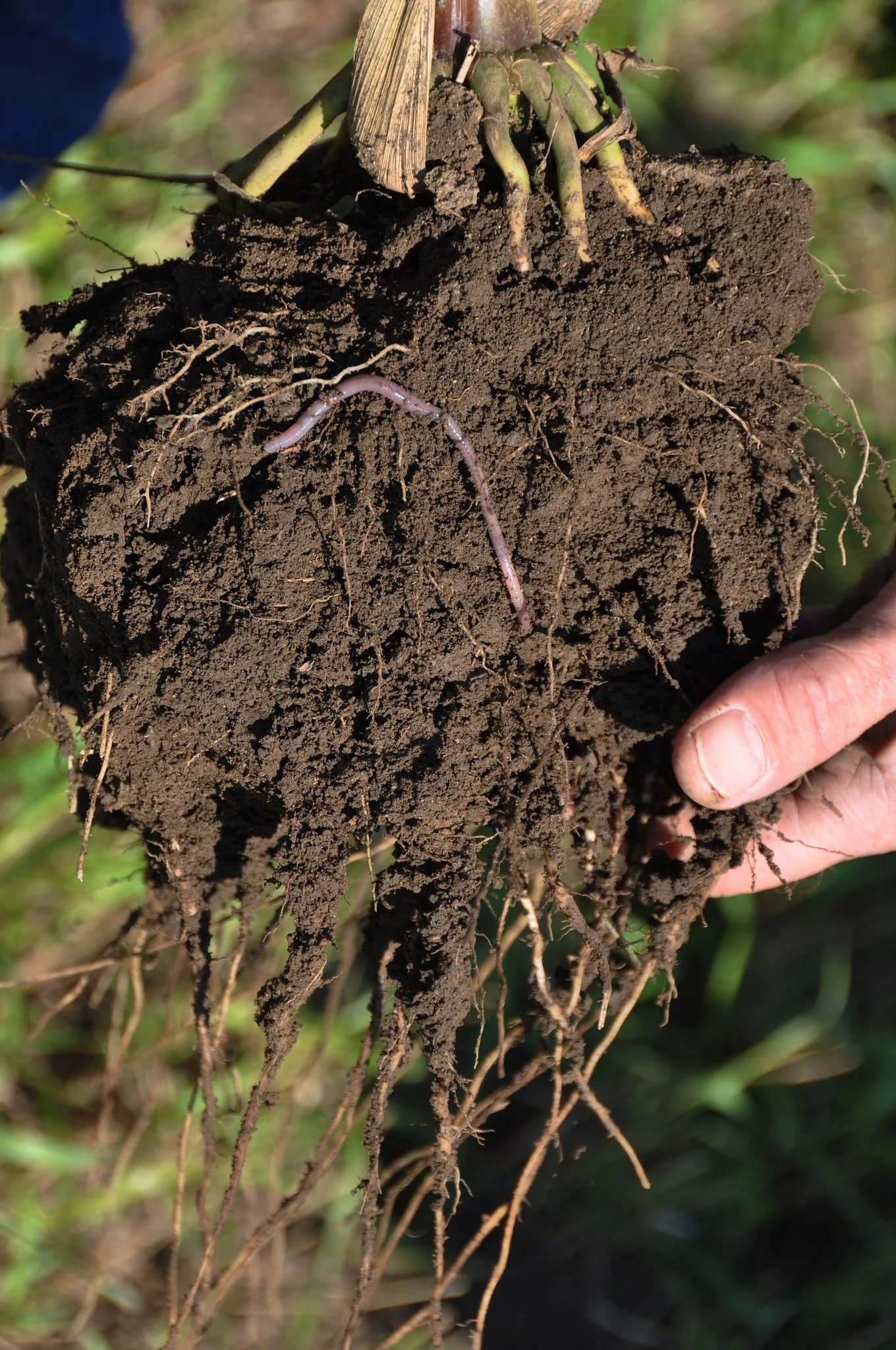
Increasing soil organic matter improves how soil stores and manages water. Even small increases can significantly improve:
Water retention
Infiltration
Soil stability
This is critical for both agricultural and developed landscapes.
What this means for communities in the Lake Champlain Basin
Using compost in land management:
Reduces flooding and erosion
Improves water quality
Extends the life of infrastructure
Supports more resilient landscapes

What you can do
Incorporate compost into projects and landscapes
Support compost-based stormwater practices
Advocate for updated standards that include soil health
Key takeaway
Stronger soil leads to stronger landscapes. And stronger landscapes protect water.

This project has been funded wholly by the United States Environmental Protection Agency under assistance agreement (LC00A00605) to New England Interstate Water Pollution Control Commission in partnership with the Lake Champlain Basin Program.