
Soil Builders - Education for Action
Weather Extremes. Grounded Solutions.
Too Much Water. Too Little Water.
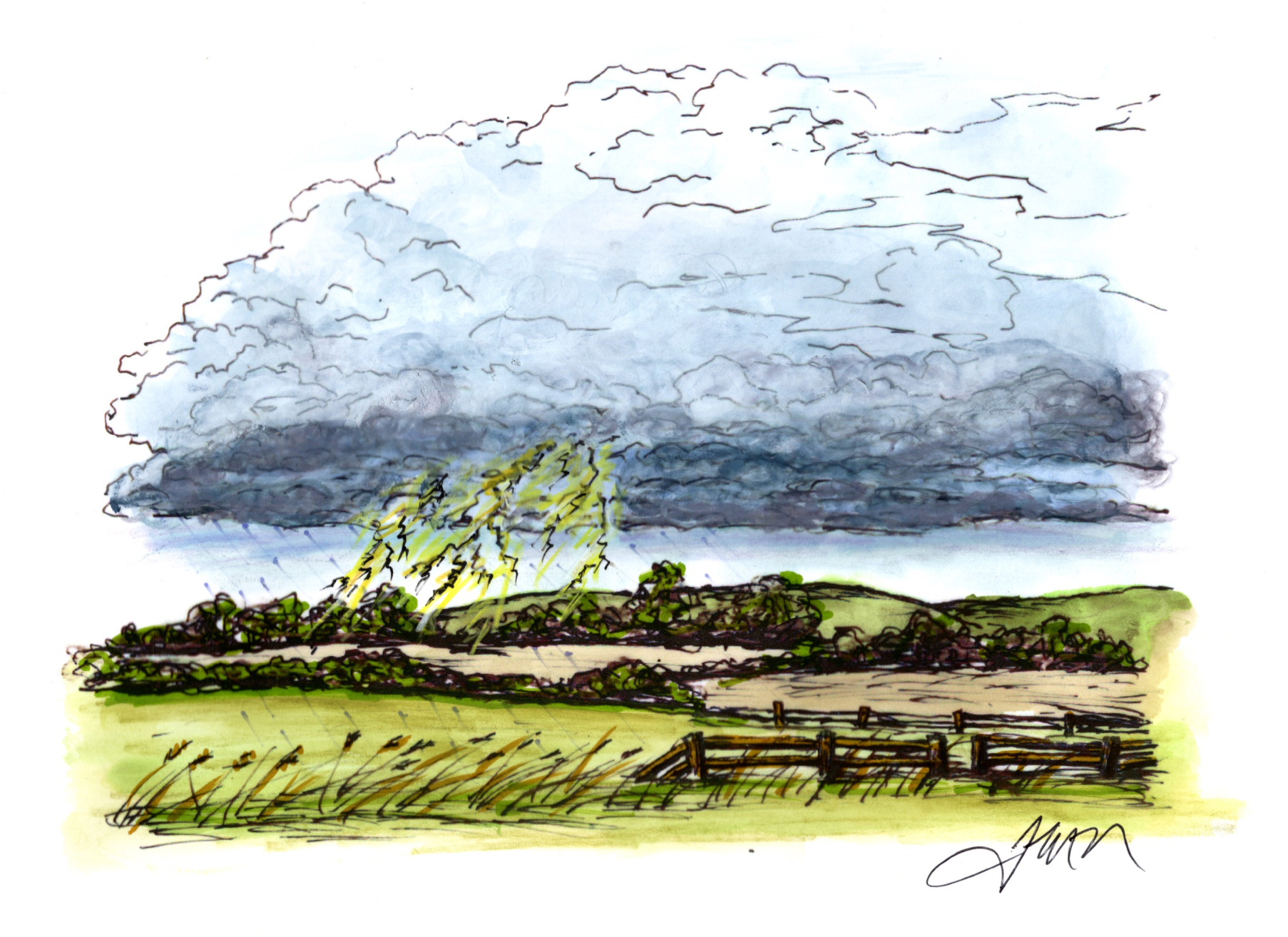
Across the Lake Champlain Basin, storms are becoming more intense and dry periods more prolonged. These extremes put pressure on:
farms
infrastructure
communities
water quality
How land responds depends largely on soil.
Artwork by Artwork by Jeannie Marie Nicklas www.jeanniemarienicklas.com
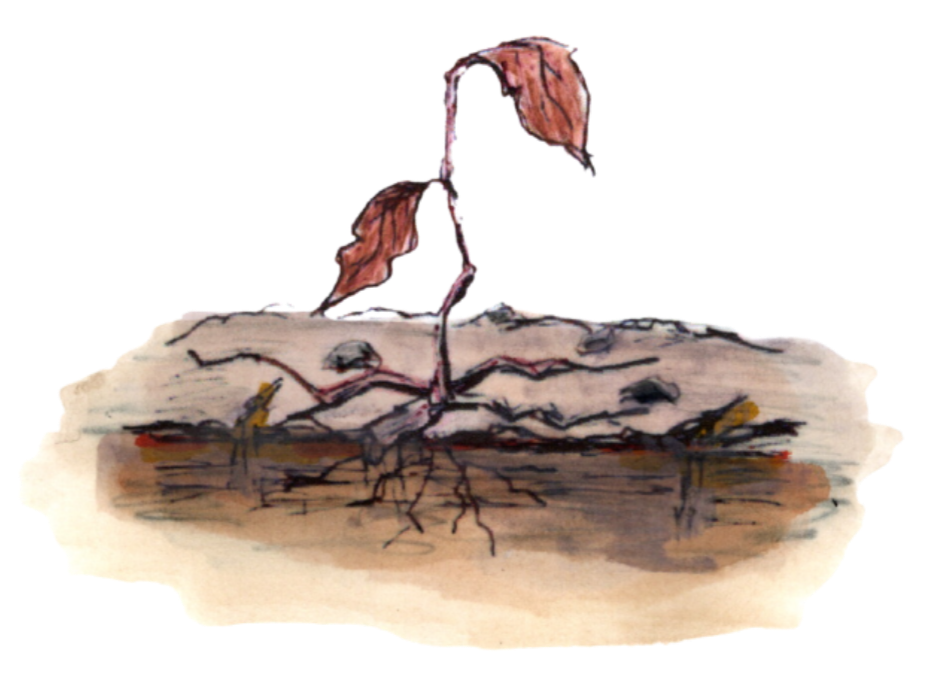
When soil is degraded
Water becomes a force of damage.
Rain runs off quickly
Flooding increases
Soil and nutrients are lost
Pollutants move into waterways
Short-term events can have long-term impacts. In 2023, a single week of flooding delivered more than half of the Missisquoi River’s annual phosphorus load to Lake Champlain.
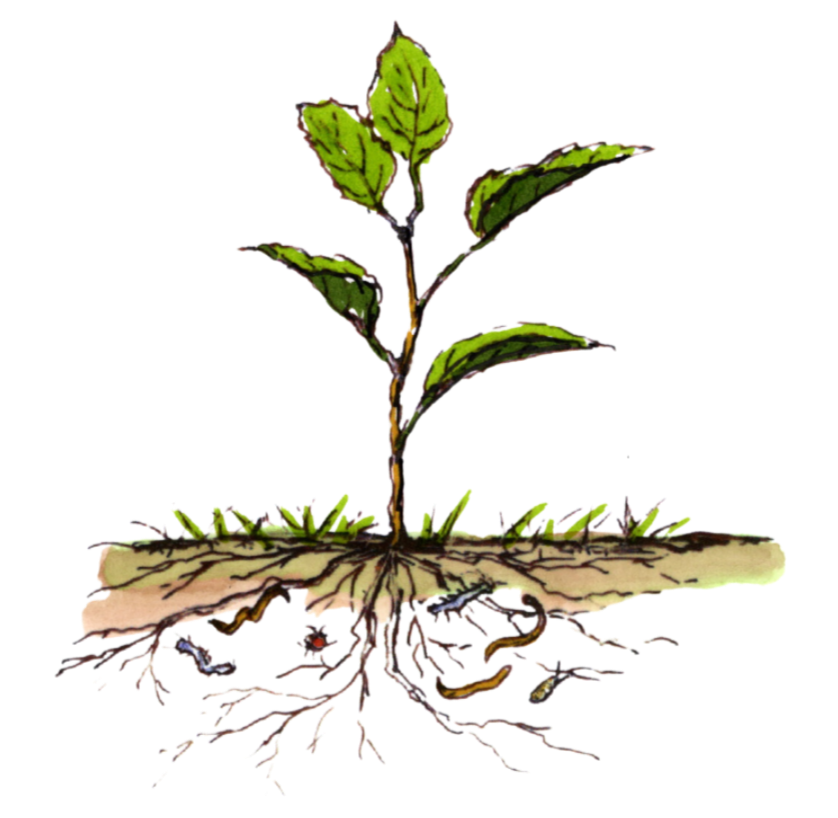
When soil is healthy
Water becomes a resource.
Healthy soil:
Stays in place.
Absorbs rainfall
Slows runoff
Stores water for later use
Filters pollutants
This buffering capacity reduces flood impacts and supports plants during dry periods.
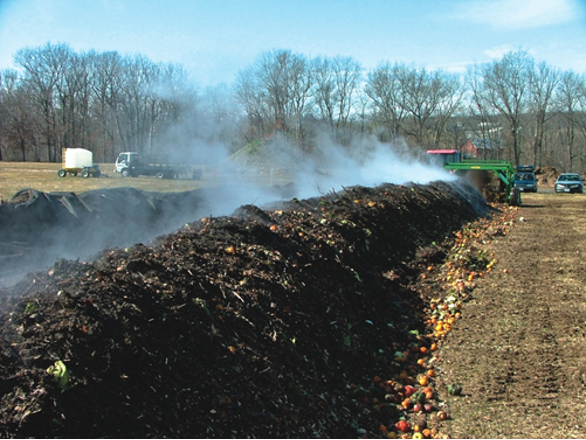
The role of compost
Compost helps build the organic matter and structure that make this possible. It enables soil to:
Hold more water
Reduce erosion
Recover more quickly after storms
Maintain function during drought
These benefits apply across farms, lawns, and public lands.
A practical solution
Strengthening soil is one of the most immediate and scalable ways to respond to weather extremes. It does not require new technology—just better use of natural systems.
What you can do
Build soil organic matter with compost
Reduce compaction and bare soil
Support practices that improve infiltration and retention
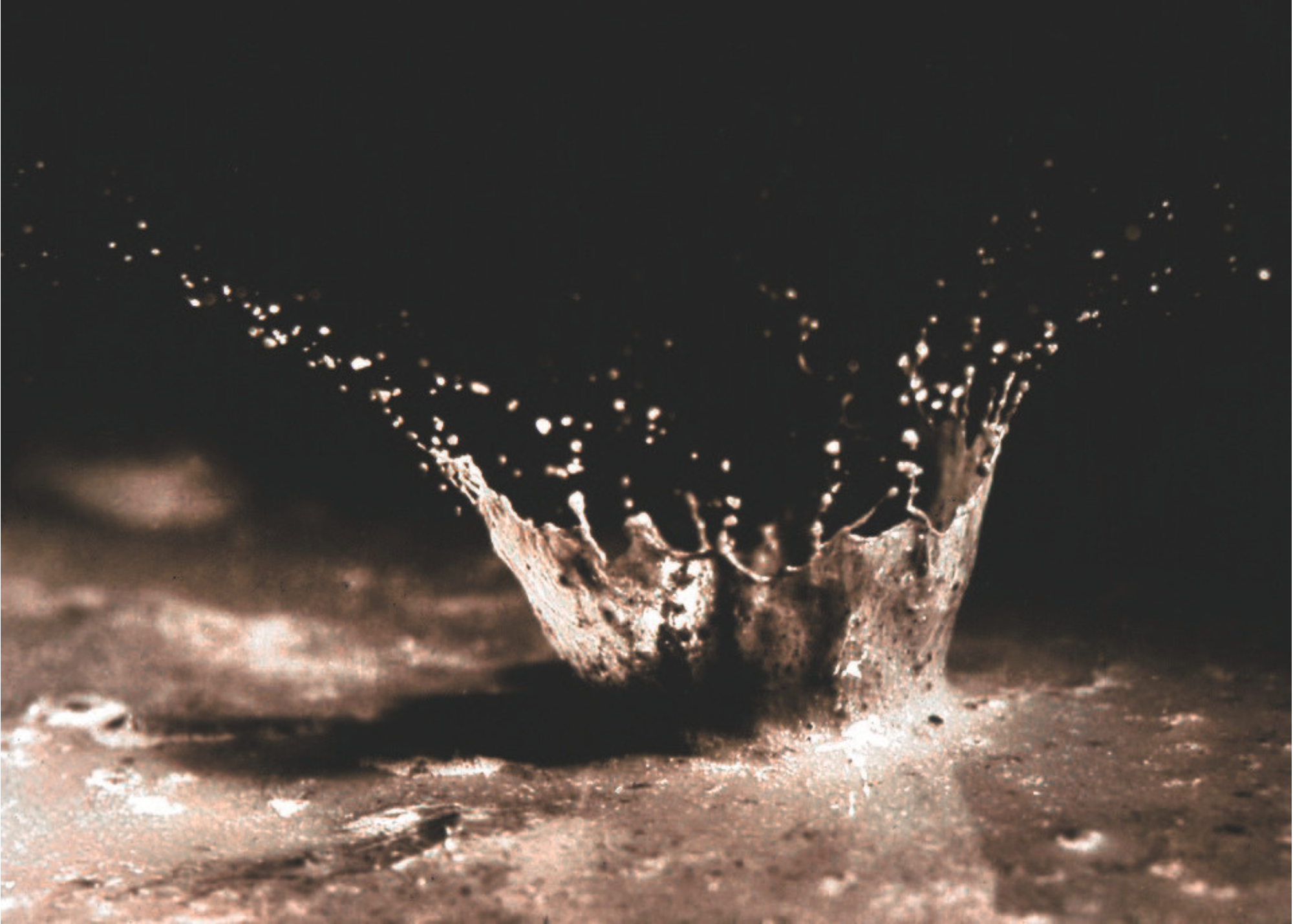
Raindrop impact on bare soil can trigger erosion and soil loss through runoff.
Key takeaway
Extreme weather will continue. Healthy soil helps us manage it.

This project has been funded wholly by the United States Environmental Protection Agency under assistance agreement (LC00A00605) to New England Interstate Water Pollution Control Commission in partnership with the Lake Champlain Basin Program.