
Soil Builders - Education for Action
Restore Soil. Protect Water.
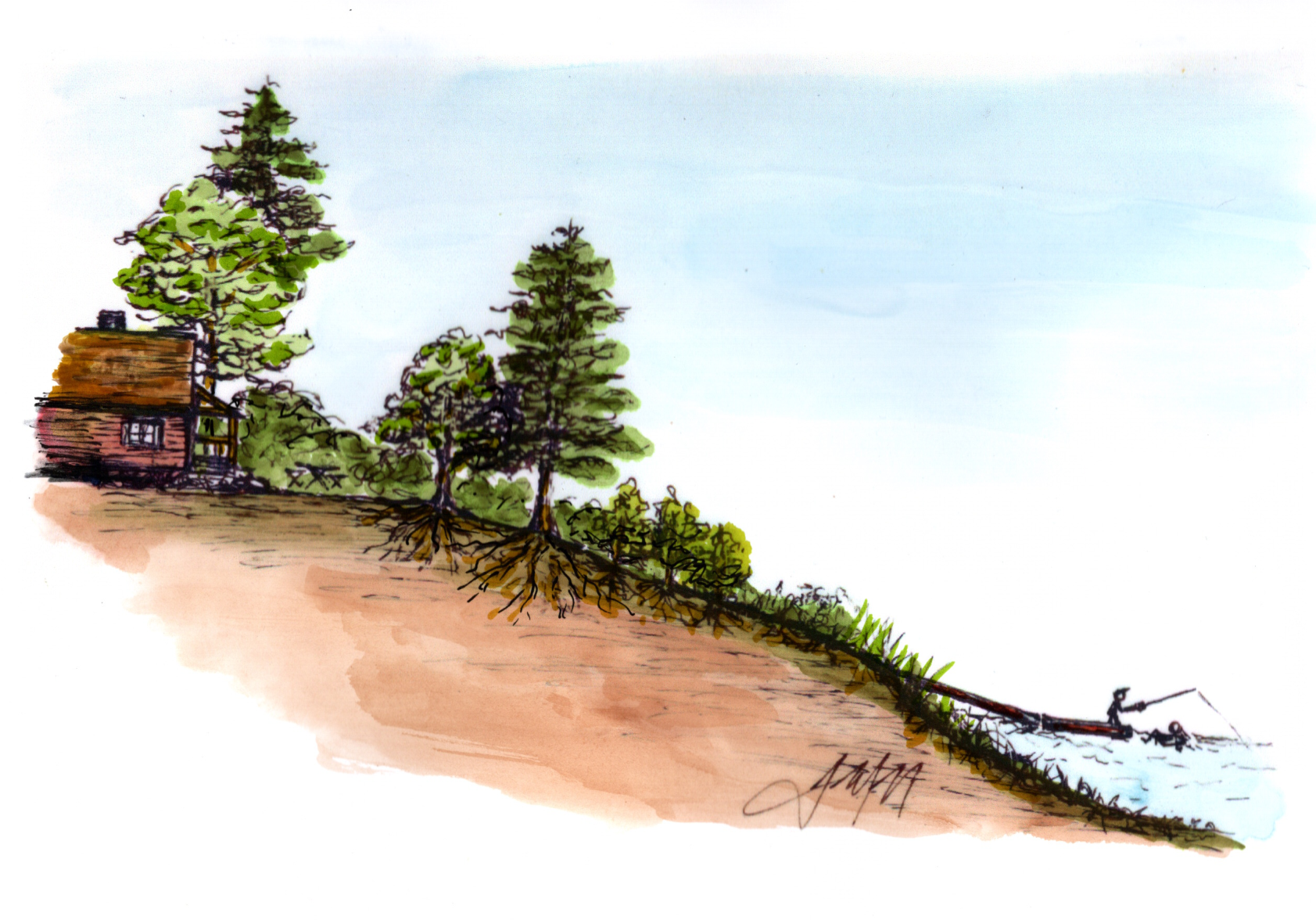
Most Water Pollution Doesn’t Come from a Pipe.
It comes from the land.
When rain flows over pavement, fields, and lawns, it picks up phosphorus, sediment, and other contaminants and carries them into streams, rivers, and ultimately Lake Champlain. This is called stormwater runoff, and it is a leading source of water pollution across the Basin.
Reducing that pollution starts with soil.
Artwork by Artwork by Jeannie Marie Nicklas www.jeanniemarienicklas.com
What happens when soil stops working
Degraded soil—compacted, bare, or low in organic matter—cannot absorb water effectively. Instead:
Water runs off quickly
Soil erodes
Nutrients are lost
Pollutants move downstream
This is how everyday landscapes contribute to algae blooms, cloudy water, and low oxygen conditions in lakes.
Healthy soil changes the outcome
Healthy soil slows water down and keeps it where it falls. It:
Absorbs rainfall (infiltration)
Stores water for later use
Holds soil in place
Retains and cycles nutrients
Filters pollutants
This function depends on soil structure, organic matter, and biological activity—all of which can be improved with compost.
How compost restores soil
Compost rebuilds soil from the ground up. It:
Improves structure, creating pore spaces for air and water
Adds organic matter, increasing water-holding capacity
Supports soil life, which drives nutrient cycling
Strengthens root systems, helping stabilize soil
As soil improves, more water soaks in and less runs off.
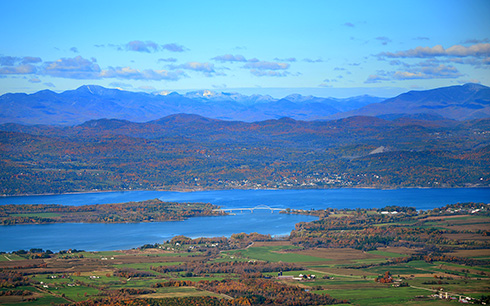
Why this matters for Lake Champlain
The Lake Champlain Basin contains decades of accumulated (“legacy”) phosphorus. That makes it even more important to reduce new inputs. When soil absorbs and filters water:
Less phosphorus reaches the lake
Less sediment clouds the water
Fewer pollutants are transported downstream
Improving soil function is one of the most practical ways to protect water quality across the region.
A simple comparison

What you can do
Improve soil where you are:
Add compost to lawns, gardens, and landscapes in accordance to their nutrient needs
Reduce bare soil with plants or mulch
Manage water so it can soak in, not run off
Key takeaway
Water quality depends on how water moves across the land. Restore soil, and you change that movement.

This project has been funded wholly by the United States Environmental Protection Agency under assistance agreement (LC00A00605) to New England Interstate Water Pollution Control Commission in partnership with the Lake Champlain Basin Program.